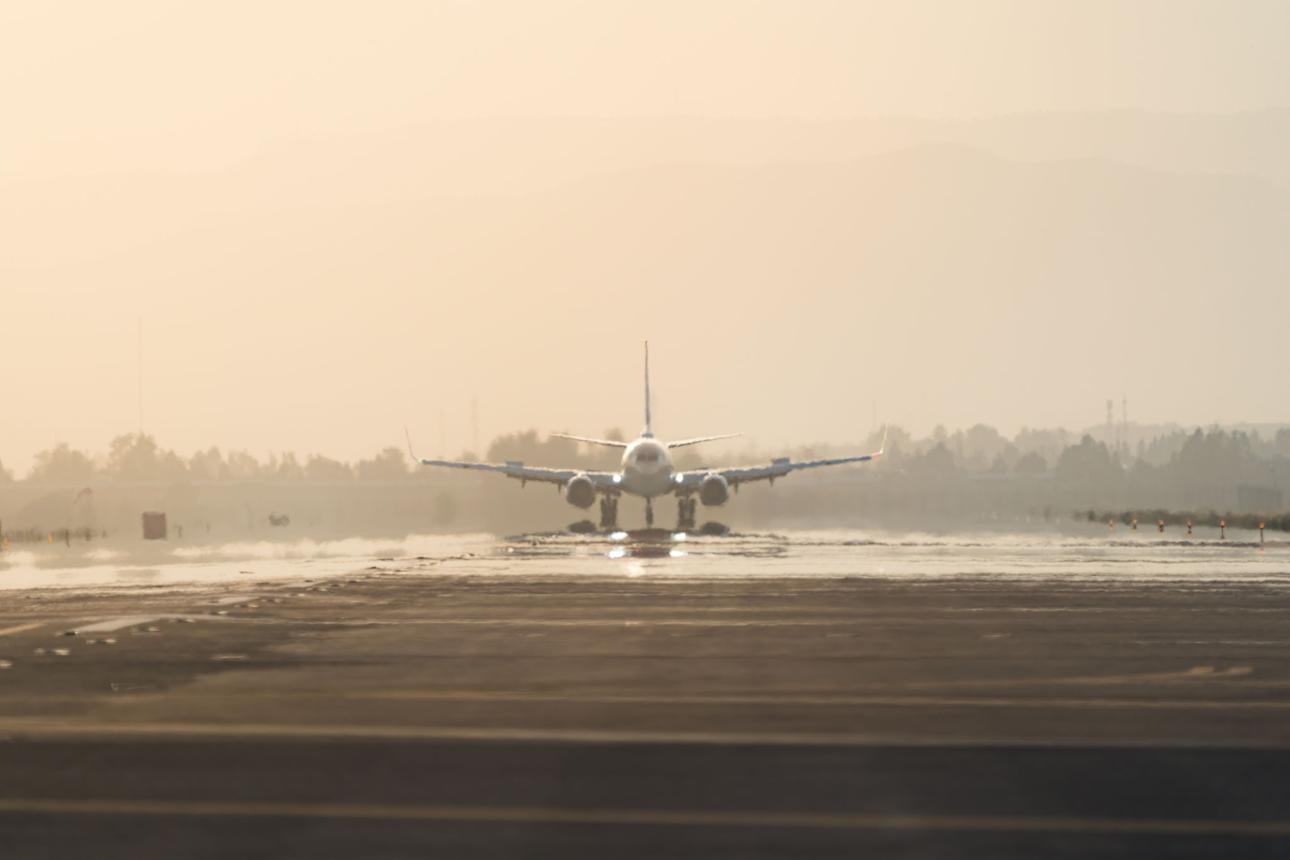
Air travel across several regions is facing disruptions as an intense heatwave, coupled with rising geopolitical tensions, continues to impact flight operations and passenger schedules. Major airports in cities like Delhi and Mumbai have reported delays and rescheduling due to extreme temperatures affecting aircraft performance and ground operations.
High temperatures can reduce air density, requiring longer runways for takeoff and limiting aircraft load capacity. As a result, airlines are being forced to adjust flight timings, reduce passenger or cargo loads, and in some cases, delay departures to cooler hours of the day. Ground crews are also working under challenging conditions, which can slow down turnaround times.
Adding to the situation, ongoing geopolitical tensions in certain regions have led to airspace restrictions and rerouting of international flights. Airlines are being compelled to take longer routes to avoid conflict zones, increasing fuel consumption and overall travel time. This has created a ripple effect, disrupting global flight schedules and leading to cascading delays.
Passengers are advised to stay updated with airline notifications, arrive early at airports, and be prepared for last-minute changes. Authorities and airlines are working together to manage the situation, prioritizing safety while minimizing inconvenience.
Experts note that with climate extremes becoming more frequent and global uncertainties persisting, such disruptions may become more common. Strengthening infrastructure resilience and improving contingency planning will be crucial for the aviation sector moving forward news as reported.