

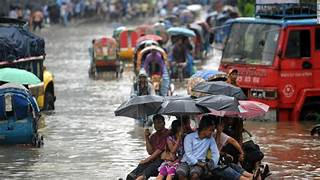
Extreme weather events are placing growing pressure on disaster-preparedness systems around the world, exposing gaps in infrastructure, planning, and emergency response. As climate change intensifies, storms, floods, heatwaves, droughts, and wildfires are becoming more frequent and severe, affecting both developed and developing nations.
Many countries are struggling to keep pace with the rising scale of disasters. Emergency services are often overwhelmed by repeated events occurring within short periods, leaving little time for recovery or rebuilding. Aging infrastructure, such as drainage systems, power grids, and transportation networks, is particularly vulnerable, increasing the risk of widespread damage and disruption.
In low-income and disaster-prone regions, limited resources make preparedness even more challenging. Early warning systems, evacuation planning, and access to emergency shelters are often inadequate, placing millions of people at greater risk. Meanwhile, densely populated urban areas face unique challenges as extreme weather threatens housing, water supplies, and public health.
Experts warn that without stronger investment in disaster risk reduction, the human and economic costs will continue to rise. Governments are being urged to improve forecasting technology, strengthen emergency response coordination, and invest in climate-resilient infrastructure.
Community-level preparedness is also critical. Public awareness, education, and local response training can help reduce casualties and damage. As extreme weather becomes the new normal, adapting disaster-preparedness systems is increasingly seen as essential to protecting lives and livelihoods worldwide.

- upgraderz.aws@gmail.com
- upgraderz.aws@gmail.com
- upgraderz.aws@gmail.com
- upgraderz.aws@gmail.com