

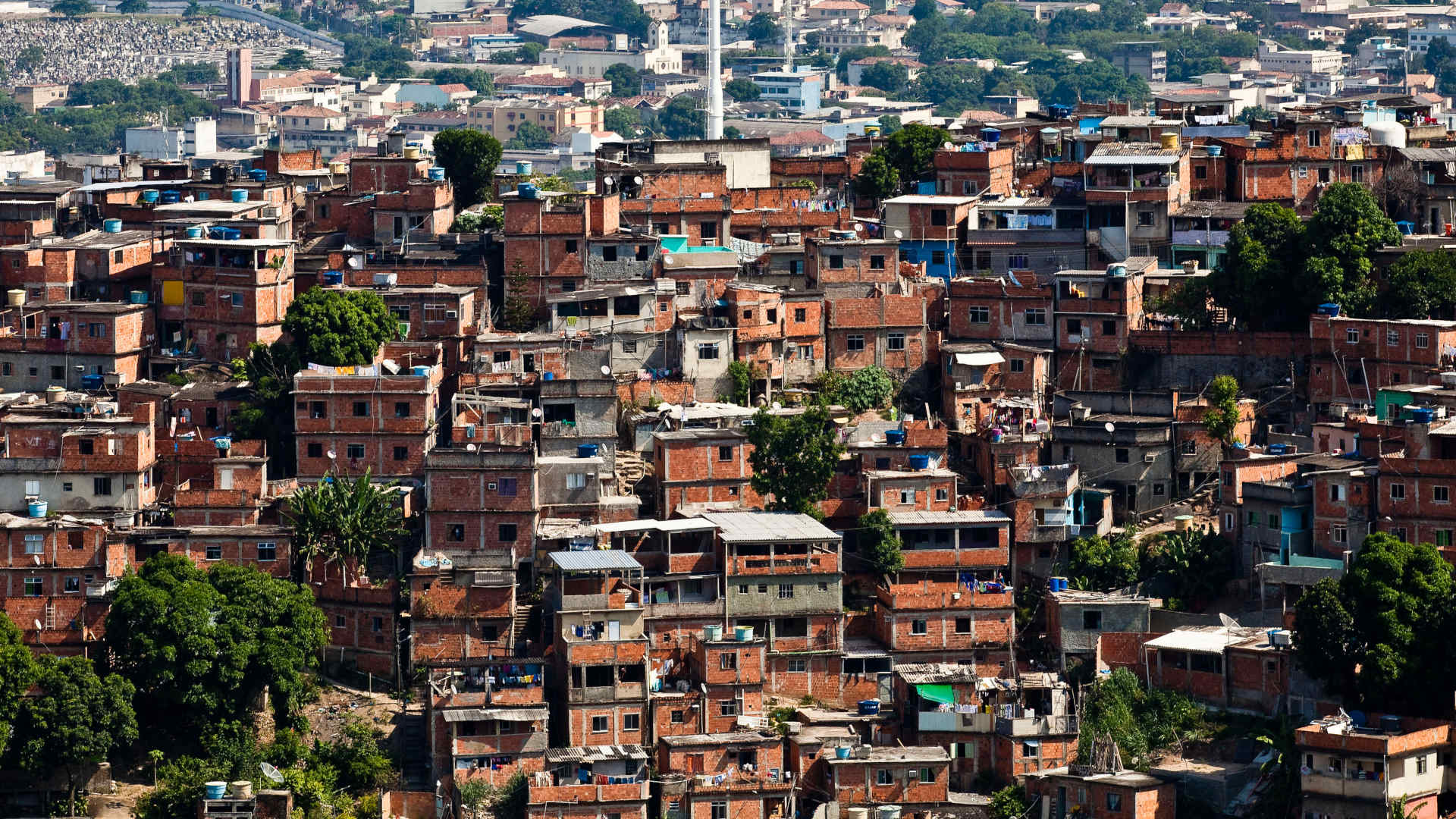
Extreme heat is increasingly taking a heavy toll on working-class communities in Rio de Janeiro’s favelas, where rising temperatures are worsening health risks and threatening livelihoods. Climate experts and local advocates warn that heatwaves are amplifying long-standing social inequalities in the city.
Many favela residents work in outdoor or informal jobs such as construction, street vending, and delivery services, leaving them highly exposed to extreme heat. During prolonged hot spells, workers often face dehydration, heat exhaustion, and lost income when conditions become too dangerous to continue working. Unlike wealthier neighborhoods, favelas frequently lack access to air conditioning, reliable electricity, and green spaces that can help reduce heat stress.
Health impacts are also mounting. Clinics serving low-income areas report increases in heat-related illnesses, particularly among older adults, children, and people with existing medical conditions. Overcrowded housing made from heat-trapping materials further intensifies indoor temperatures, offering little relief even at night.
Urban planners and climate researchers note that favelas are often located in densely built areas with minimal tree cover, creating “urban heat islands” that push temperatures even higher. Community groups are calling for targeted adaptation measures, including shaded public spaces, improved housing design, and early heat-warning systems.
As climate change drives more frequent and intense heatwaves, experts stress that protecting vulnerable communities must be central to Rio’s climate resilience efforts – News as reported
