

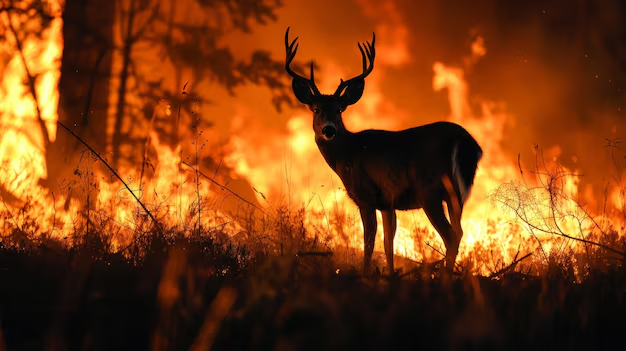
Extreme weather events such as wildfires and floods are increasingly threatening wildlife habitats worldwide, with scientists warning that climate change is intensifying these disasters and placing ecosystems under growing pressure. Rising global temperatures are contributing to more frequent heatwaves, droughts, heavy rainfall, and storms, all of which can damage or destroy natural habitats.
Wildfires are among the most destructive threats to wildlife. Large fires can burn vast forest areas, killing animals directly and destroying nesting sites, shelter, and food sources. Even animals that escape the flames often struggle to survive afterward due to the loss of vegetation and habitat. High-severity fires can also eliminate large trees and forest canopies that many species rely on for breeding and protection, leaving some animals unable to return to their former habitats for decades.
Floods are another growing threat. Intense rainfall and storms can submerge wetlands, forests, and grasslands, destroying breeding grounds and washing away nests, eggs, and young animals. In some cases, entire wildlife reserves and protected areas become inundated, forcing animals to migrate or perish.
Recent extreme events illustrate the scale of the problem. Severe bushfires in Australia have burned hundreds of thousands of hectares of habitat and endangered species such as cockatoos and gliders. Flood disasters in several regions have also caused significant wildlife losses, highlighting the vulnerability of animals to sudden environmental changes.
Scientists warn that the increasing frequency and intensity of fires and floods could permanently alter ecosystems, pushing some species toward extinction. Experts emphasize the need for stronger climate action, habitat restoration, and improved disaster preparedness to protect biodiversity and ensure ecosystems can recover from extreme events. News as reported
