

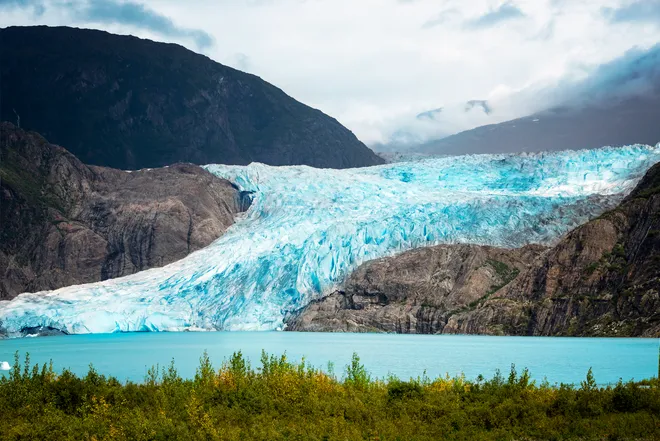
Environmental experts are raising serious concerns over the rapid melting of glaciers in mountain regions around the world, warning that the trend could have significant long-term impacts on global water resources. Glaciers act as natural water reservoirs, gradually releasing meltwater that supplies rivers and freshwater systems relied upon by millions of people.
Scientists report that rising global temperatures are accelerating glacier loss in major mountain ranges such as the Himalayas, the Andes, and the Alps. These glaciers feed important rivers including the Ganges River, the Indus River, and the Yangtze River, which provide water for drinking, agriculture, and hydropower to large populations.
In the short term, increased melting may temporarily raise river flows, raising the risk of floods and landslides in mountainous regions. However, experts warn that as glaciers continue to shrink, the long-term result could be reduced water availability, especially during dry seasons when glacier melt is crucial for maintaining river flow.
Communities that depend heavily on glacier-fed rivers may face water shortages in the future, affecting farming, energy production, and ecosystems. Researchers also note that melting glaciers contribute to rising global sea levels.
Environmental scientists emphasize that reducing greenhouse gas emissions and improving water management strategies are essential to limit glacier loss and protect vital freshwater supplies for future generations. News as reported
