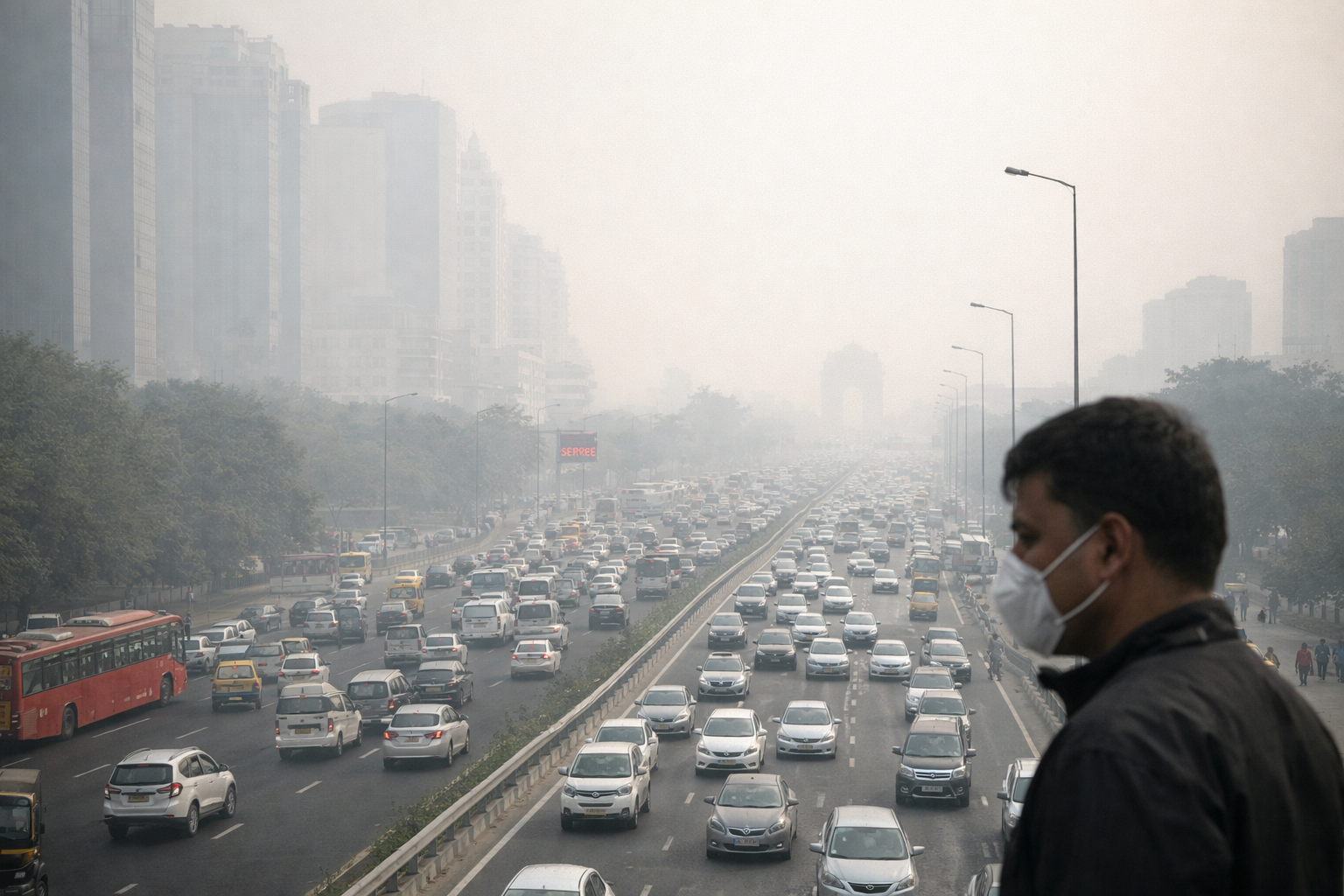
New Delhi has recorded one of its warmest and most polluted February months in recent years, raising fresh concerns over climate trends and air quality management in the national capital. According to data released by the India Meteorological Department (IMD), average temperatures remained significantly above seasonal norms, with multiple days witnessing unseasonal heat conditions.
Meteorologists attribute the unusual warmth to weak western disturbances and below-normal rainfall during the winter season, which typically helps regulate temperatures. The warmer conditions were accompanied by deteriorating air quality, with the city’s Air Quality Index (AQI) frequently entering the “poor” and “very poor” categories. Experts noted that stagnant wind conditions and increased vehicular emissions further worsened pollution levels.
The combination of rising temperatures and high pollution has sparked concerns among environmentalists and public health experts. Medical professionals have reported a spike in respiratory issues, allergies, and related ailments, particularly among children and the elderly.
Authorities have urged residents to minimize outdoor activities during peak pollution hours and to follow precautionary measures. Environmental analysts warn that such patterns could become more frequent due to broader climate change trends and rapid urbanization.
The latest data underscores the urgent need for sustained pollution control measures, improved public transport usage, and long-term climate adaptation strategies to safeguard public health and environmental stability in the capital news as reported.