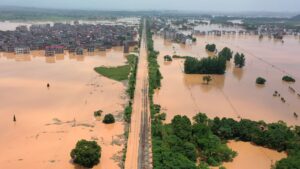
A series of deadly storms that struck parts of Asia in November were significantly intensified by climate change, according to a new scientific assessment. Researchers found that unusually warm ocean temperatures across the Pacific and Indian Oceans provided the storms with excess energy, leading to heavier rainfall, stronger winds, and more destructive storm surges.
Several countries, including the Philippines, Vietnam, and Thailand, experienced severe flooding and landslides as the storms swept through densely populated areas. Thousands of homes were damaged, and millions were displaced as infrastructure collapsed under the force of the extreme weather. Emergency teams across the region struggled to respond to the rapid escalation of events, which experts say reflects a worrying trend.
Climate scientists emphasize that while natural variability plays a role in storm formation, human-driven global warming is amplifying their intensity. Higher sea-surface temperatures and increased atmospheric moisture create conditions that allow storms to strengthen more quickly than in past decades.
Officials in affected nations are urging stronger climate adaptation measures, including improved early-warning systems, resilient infrastructure, and international support for disaster preparedness. As extreme weather events become more frequent, experts warn that without stronger global climate action, such “supercharged” storms may soon become the norm.