

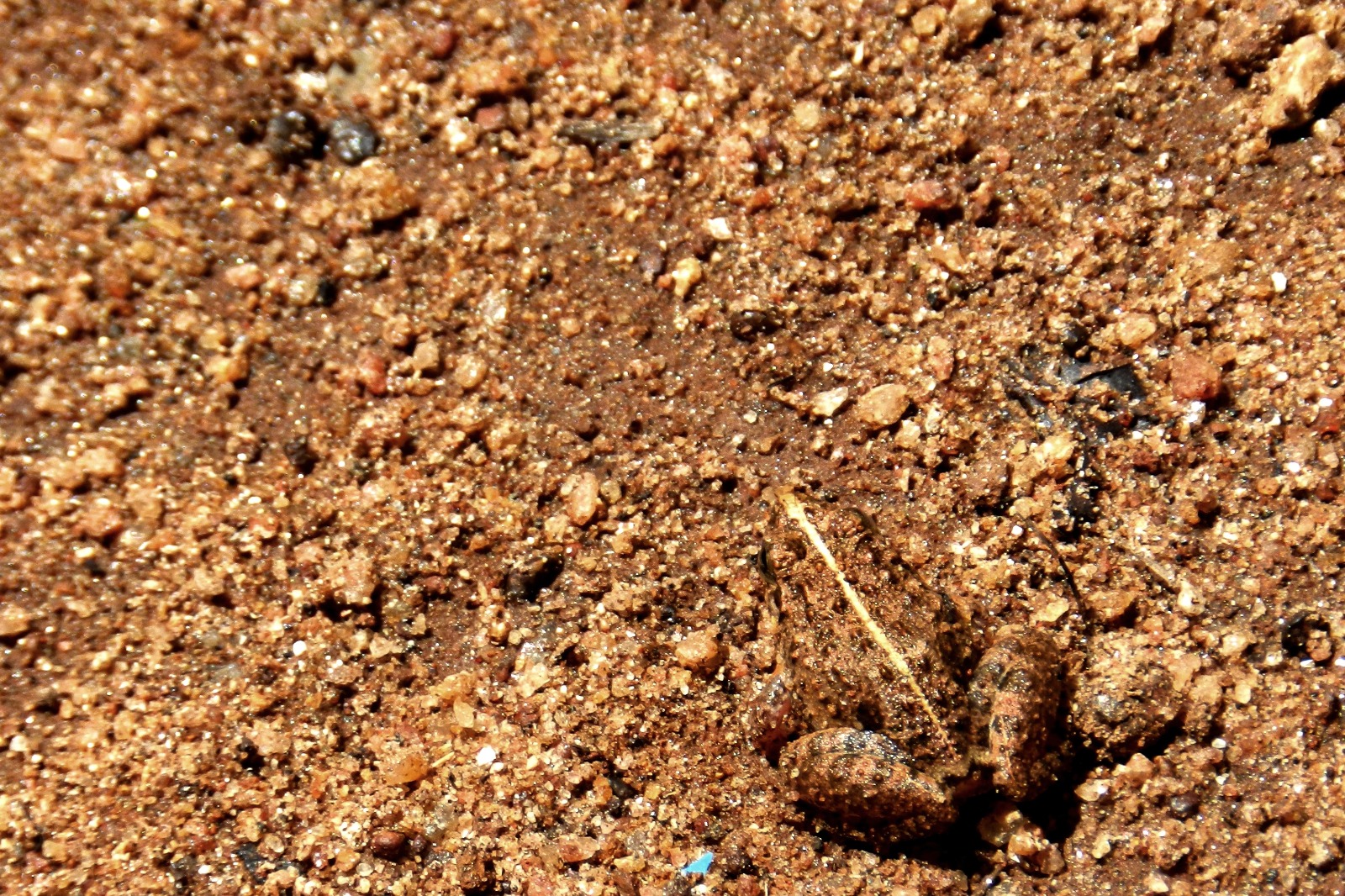
The Indian Cricket Frog (Fejervarya limnocharis), a small amphibian commonly found in agricultural fields, is gaining attention for its crucial role in natural pest control. Known for feeding on insects that damage crops, this species significantly supports farmers by reducing the need for chemical pesticides.
These frogs typically lay their eggs among aquatic plants, producing over a thousand eggs at a time, ensuring rapid population growth in suitable environments. Their distinctive chirping calls, resembling the sound of crickets, have earned them the name “Cricket Frog.”
First documented in 1829 by German zoologist Johann Ludwig Christian Carl Gravenhorst, the species is widely distributed across Southeast Asia and parts of Indochina. It is also known by various names such as the rice field frog, Asian grass frog, and Boie’s wart frog.
Apart from their ecological importance, these frogs possess remarkable survival skills. They are highly adept at camouflage, blending seamlessly into their surroundings to escape predators. Scientists note that ongoing molecular studies suggest this group may consist of multiple closely related species, highlighting the need for further research and conservation attention.
CONTRIBUTION BY VINCENT MASH — FORMER
EDITOR OF PHOTOWIDE MAGAZINE AND ASSOCIATE EDITOR OF PHOTO TRACK MAGAZINE
