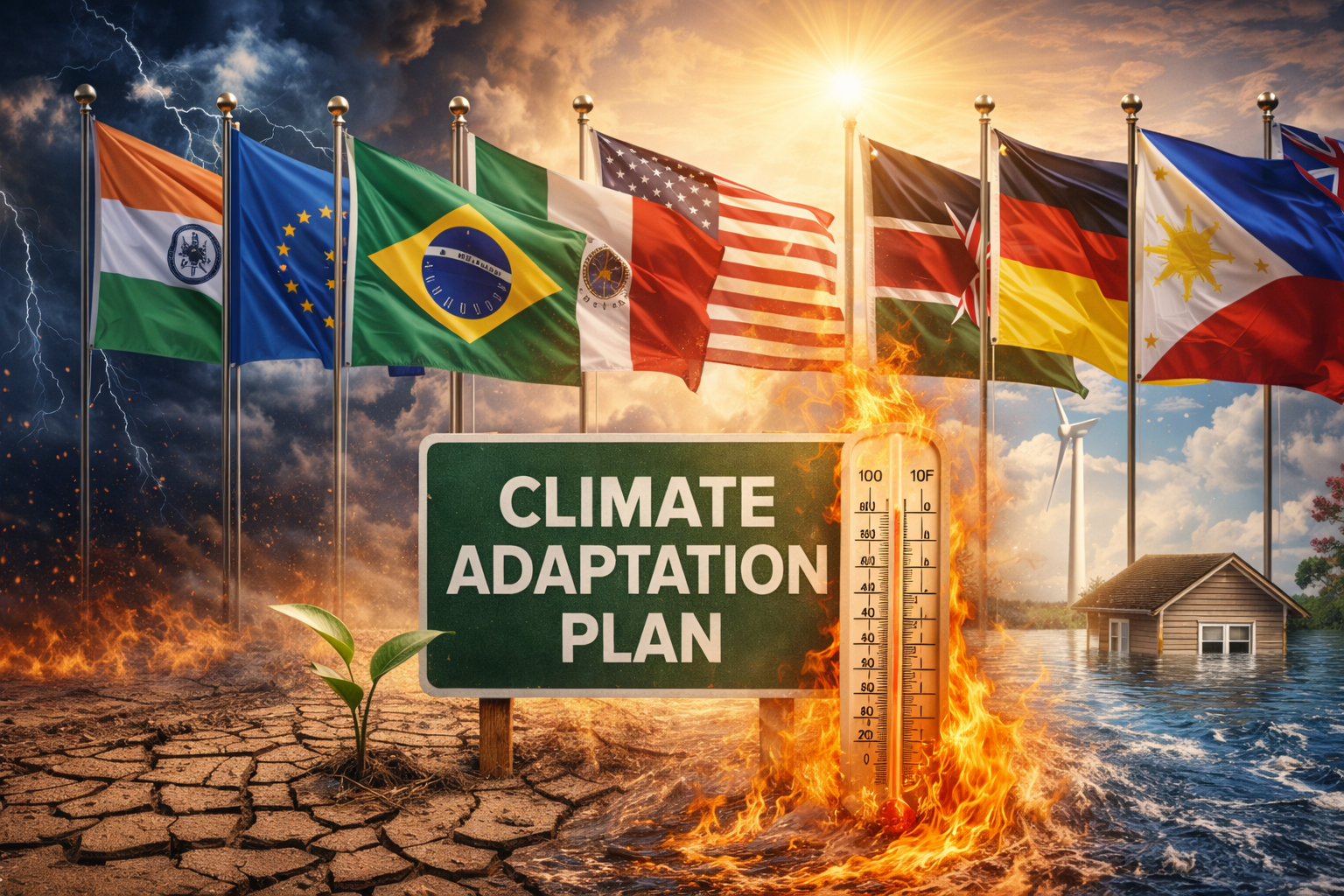
Several nations have stepped up their climate adaptation strategies in response to a growing wave of extreme weather events — from hurricanes and floods to droughts and heatwaves — that have recently devastated communities worldwide. At the COP30 climate summit in Brazil, leaders highlighted adaptation as a central priority alongside emissions cuts, underscoring the urgent need to shield vulnerable populations and economies from the escalating impacts of climate change.
Brazil, the summit host, said it is pushing for a major funding package to help developing countries strengthen resilience against rising sea levels, hotter days, storms and other extreme conditions, noting that global adaptation financing remains far below what scientists say is needed by 2035.
In parallel, international institutions and philanthropic partners — including the Bill & Melinda Gates Foundation — pledged new financial commitments to support farmers in sub-Saharan Africa and Asia with technologies that can withstand droughts, floods and shifting weather patterns, part of wider efforts to protect food systems.
Beyond summit pledges, regional bodies and countries are boosting resilience planning: the European Union is launching tools to better measure climate change’s role in extreme events, aiding policymakers in crafting stronger adaptation measures; and many states are aligning national plans with enhanced early warning systems and infrastructure upgrades to cope with intensifying risks.
Experts say such adaptation actions are becoming as vital as efforts to cut emissions, as nations confront the “new normal” of climate-driven disasters that threaten lives, livelihoods and long-term development.