

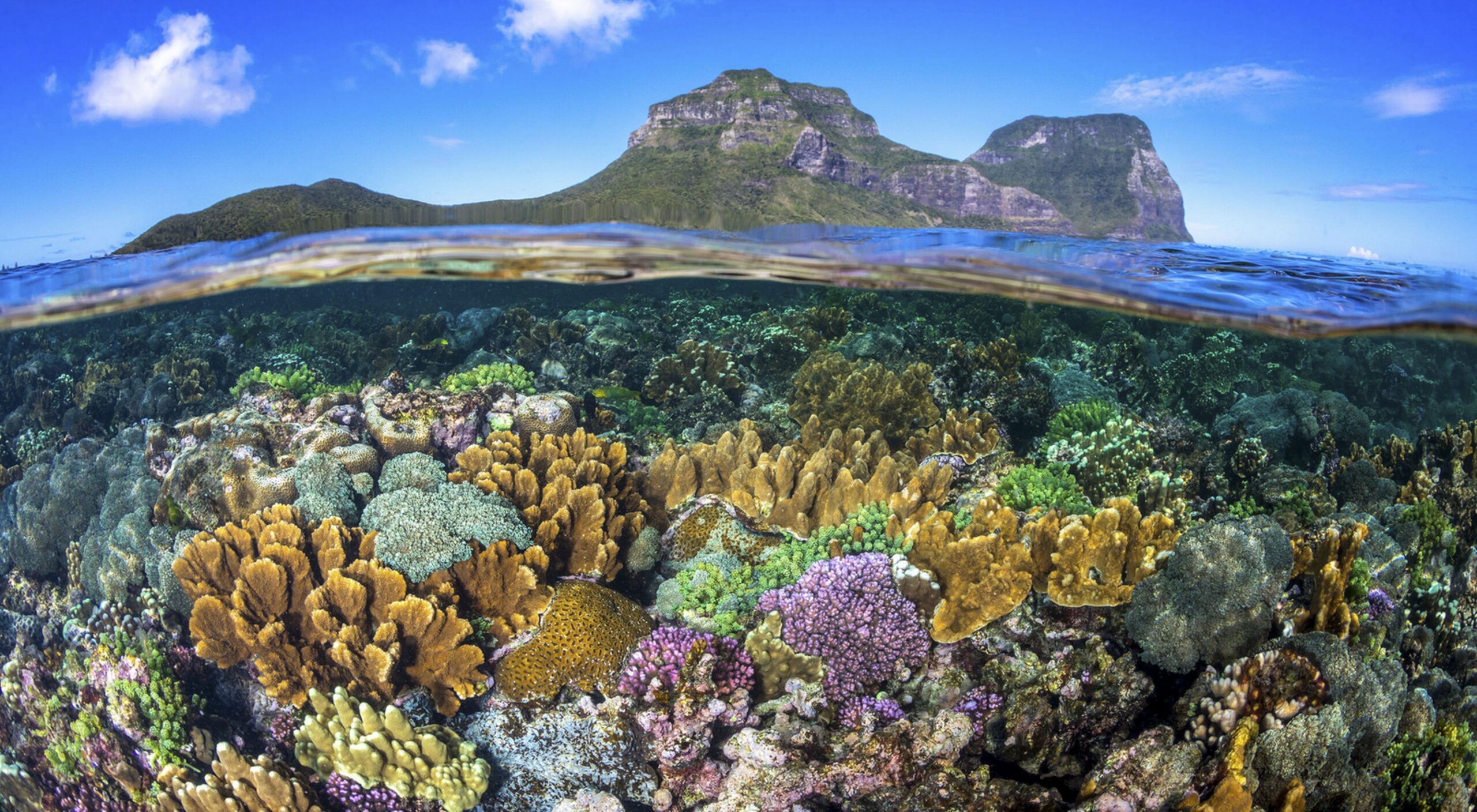
Coral reef ecosystems around the world are showing signs of uneven recovery as large-scale restoration projects expand in response to accelerating reef degradation. Scientists report that while some restored reefs are beginning to regain coral cover and attract marine life, many others continue to struggle under the pressure of rising ocean temperatures, pollution, and acidification.
Restoration efforts—including coral gardening, reef seeding, and assisted breeding of heat-tolerant coral species—have delivered encouraging results in select locations. In these areas, coral fragments have successfully grown and supported the return of fish and invertebrate populations, helping to stabilize local ecosystems and coastal livelihoods. However, progress remains fragile and highly dependent on local environmental conditions.
Frequent marine heatwaves and coral bleaching events are undermining long-term recovery, often damaging restored reefs as quickly as natural ones. Poor water quality from coastal development and agricultural runoff further limits the effectiveness of restoration programs, particularly in densely populated regions.
Experts emphasize that restoration alone cannot save coral reefs without broader action to address climate change. Reducing greenhouse gas emissions, improving coastal management, and protecting existing healthy reefs are seen as essential to giving restoration projects a lasting impact. Without these measures, scientists warn that coral reefs may continue to decline despite growing global intervention efforts – News as reported

- upgraderz.aws@gmail.com
- upgraderz.aws@gmail.com
- upgraderz.aws@gmail.com
- upgraderz.aws@gmail.com