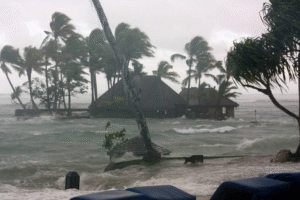
Coastal regions around the world are strengthening early warning systems to better prepare for the growing threat of extreme weather events linked to climate change. Rising sea surface temperatures and changing atmospheric conditions have increased the frequency and intensity of cyclones, storm surges, and heavy rainfall, placing millions of coastal residents at risk.
Authorities are upgrading weather monitoring infrastructure by deploying advanced radar systems, ocean buoys, and satellite-based forecasting tools. These technologies allow meteorological agencies to track storms more accurately and issue timely alerts. Improved communication networks, including mobile alerts and community sirens, are helping ensure warnings reach even remote coastal communities.
Governments are also investing in disaster preparedness programs, training local authorities and residents on evacuation procedures and emergency response. Special attention is being given to vulnerable populations such as fishermen, elderly residents, and those living in low-lying areas.
Experts stress that early warning systems significantly reduce loss of life and property when combined with effective planning and public awareness. However, they caution that warnings alone are not enough. Long-term measures such as strengthening coastal infrastructure, restoring mangroves, and regulating coastal development are equally important.
As climate risks continue to rise, strengthened early warning systems are emerging as a critical line of defense for coastal regions facing an uncertain and increasingly hazardous future.