

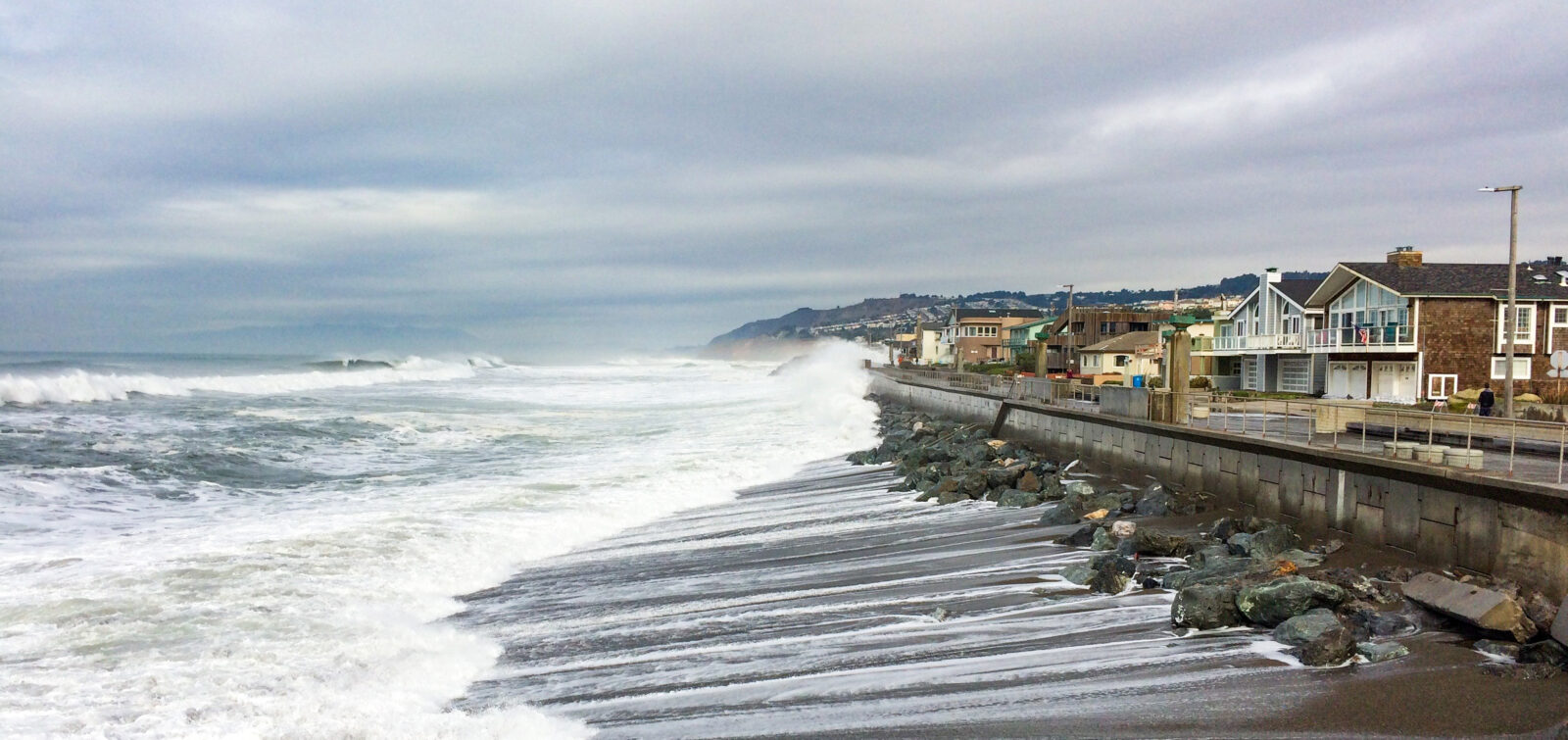
Coastal communities around the world are stepping up efforts to protect lives and infrastructure as rising sea levels and increasing storm intensity threaten low-lying areas. Governments and local authorities are investing in a mix of traditional and innovative solutions to reduce the risks of flooding, erosion, and saltwater intrusion.
Engineering projects such as seawalls, storm surge barriers, and elevated infrastructure are being expanded in vulnerable cities. At the same time, nature-based approaches—like restoring mangroves, wetlands, and coral reefs—are gaining attention for their ability to buffer coastlines while supporting biodiversity.
Experts warn that sea levels are rising at an accelerating rate due to climate change, driven primarily by melting ice sheets and the thermal expansion of warming oceans. This trend is already affecting millions of people, particularly in densely populated coastal regions across Asia and small island nations.
In addition to physical defenses, many regions are improving early warning systems, updating zoning regulations, and developing long-term relocation strategies for at-risk communities. These measures aim to enhance resilience and reduce economic losses from climate-related disasters.
While such initiatives offer hope, scientists emphasize that adaptation alone will not be enough. Reducing global greenhouse gas emissions remains essential to slow sea-level rise and safeguard coastal ecosystems and communities for the future. News as reported

- upgraderz.aws@gmail.com
- upgraderz.aws@gmail.com
- upgraderz.aws@gmail.com
- upgraderz.aws@gmail.com