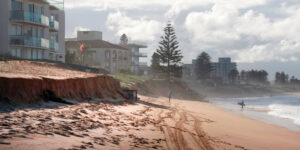
Coastal regions around the world are experiencing increased erosion as rising sea levels and stronger storms reshape shorelines. Scientists attribute this growing problem primarily to climate change, which is causing ocean waters to expand as they warm and accelerating the melting of glaciers and ice sheets. Together, these processes are steadily raising global sea levels, placing low-lying coastal areas at greater risk.
Many beaches are narrowing as waves reach farther inland, washing away sand and weakening natural barriers such as dunes and wetlands. In some regions, entire stretches of coastline have retreated by several meters in just a few decades. Coastal erosion threatens homes, roads, and critical infrastructure, while also endangering ecosystems that support fisheries and protect against storm surges.
Small island nations and densely populated coastal cities are among the most vulnerable. Increased erosion can lead to saltwater intrusion into freshwater supplies, affecting agriculture and drinking water. Tourism-dependent communities are also feeling the impact as beaches shrink and coastal landscapes change.
Experts warn that without significant efforts to reduce greenhouse gas emissions and improve coastal management, erosion will continue to intensify. Adaptation measures such as restoring mangroves, reinforcing shorelines, and limiting development in high-risk areas are increasingly seen as essential to protecting coastal communities in the years ahead.