

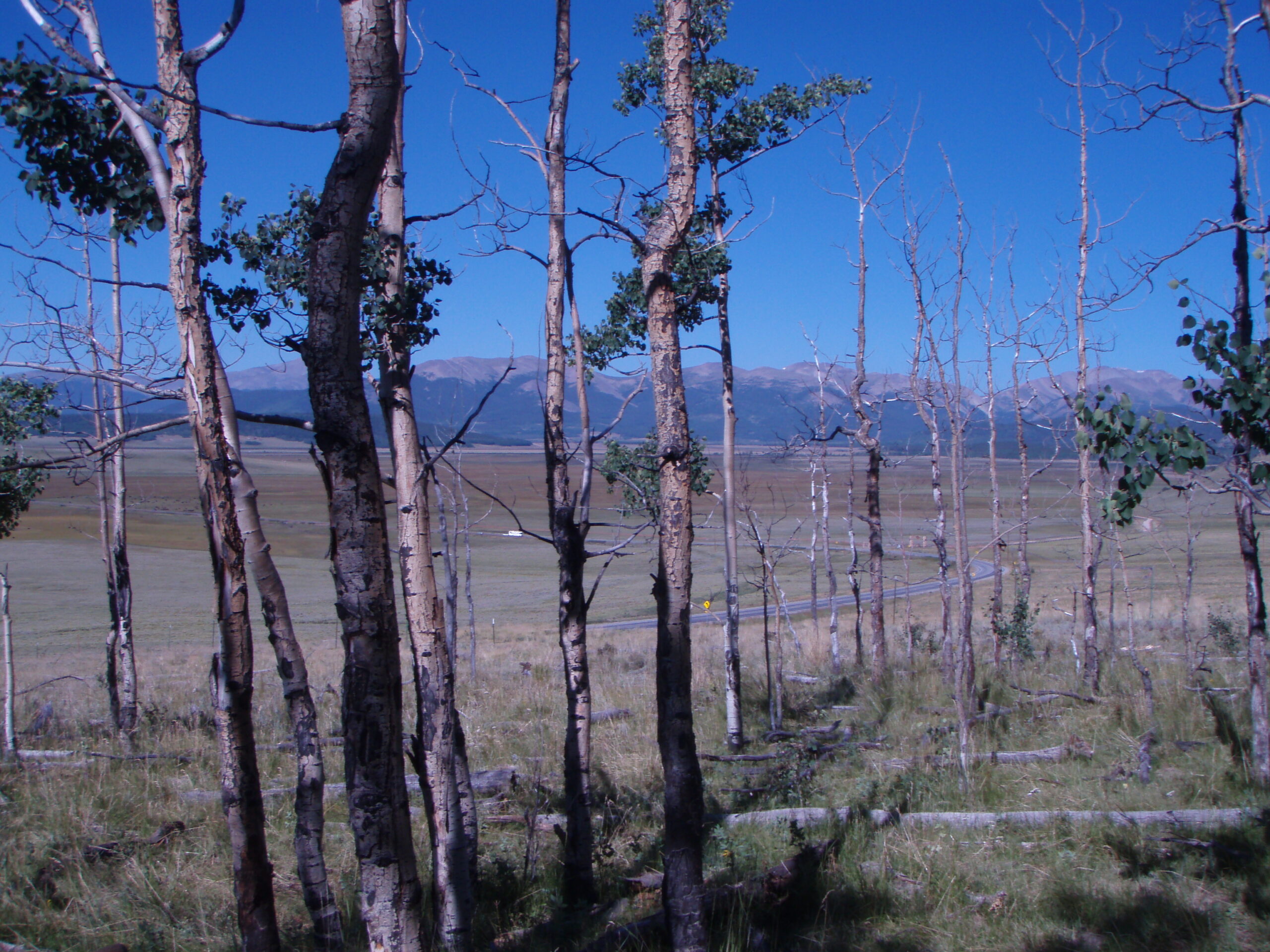
Climate change is driving a sharp rise in tree deaths across Australia’s forests, posing a serious threat to carbon storage, biodiversity, and long-term ecosystem stability, according to long-term scientific research. Rising temperatures, prolonged droughts, and more frequent extreme weather events are placing unprecedented stress on trees in a wide range of forest types, from tropical rainforests to temperate woodlands.
Researchers monitoring forest plots over decades have recorded increasing tree mortality rates, particularly during and after severe heatwaves and drought periods. Water stress weakens trees, making them more vulnerable to pests, disease, and fire, while repeated climate shocks reduce their ability to recover. Large, old trees — crucial for storing carbon and providing habitat — are among the most affected.
Forests play a vital role in absorbing carbon dioxide from the atmosphere, helping to slow global warming. Scientists warn that rising tree mortality could reduce this capacity, potentially turning forests from carbon sinks into carbon sources and accelerating climate change.
The loss of trees also threatens wildlife that depends on forest habitats and disrupts ecosystem services such as soil protection and water regulation. Experts stress the need for urgent climate action, improved forest management, and conservation strategies that enhance resilience, including protecting climate refuges and reducing other pressures like land clearing.
Without decisive intervention, researchers warn Australia’s forests may face irreversible ecological decline in the coming decades.
