

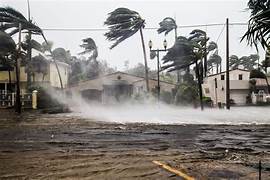
Climate-driven heatwaves and increasingly irregular rainfall patterns are placing mounting stress on ecosystems across multiple regions, scientists warn. Prolonged periods of extreme heat are accelerating soil moisture loss, weakening vegetation, and increasing the frequency and intensity of wildfires. At the same time, erratic rainfall—marked by longer dry spells punctuated by sudden, intense downpours—is disrupting natural water cycles that plants and wildlife depend on.
In forested areas, heat stress is making trees more vulnerable to pests and disease, reducing carbon absorption and heightening the risk of large-scale dieback. Grasslands and agricultural zones are also feeling the impact, as unpredictable rainfall undermines crop yields and reduces forage availability for livestock. Wetland ecosystems, which rely on stable seasonal water flows, are shrinking or degrading, threatening migratory birds, fish breeding grounds, and water purification functions.
Freshwater systems are particularly exposed. Rivers and lakes are warming, lowering oxygen levels and pushing sensitive aquatic species beyond their survival limits. Sudden floods following dry periods further erode riverbanks and wash pollutants into waterways.
Experts note that these ecological disruptions can cascade into social and economic challenges, including food insecurity and increased disaster risks. Researchers emphasize that reducing greenhouse gas emissions, restoring natural ecosystems, and improving climate-adaptive land and water management are critical steps to limit long-term damage and strengthen resilience in a rapidly warming world. News as reported

- upgraderz.aws@gmail.com
- upgraderz.aws@gmail.com
- upgraderz.aws@gmail.com
- upgraderz.aws@gmail.com