

Climate change impacts are becoming increasingly evident as unusual and extreme weather patterns affect multiple countries across the globe. Scientists report a surge in unpredictable events, including prolonged heatwaves, unseasonal rainfall, severe storms, and unexpected cold spells disrupting normal climate cycles.
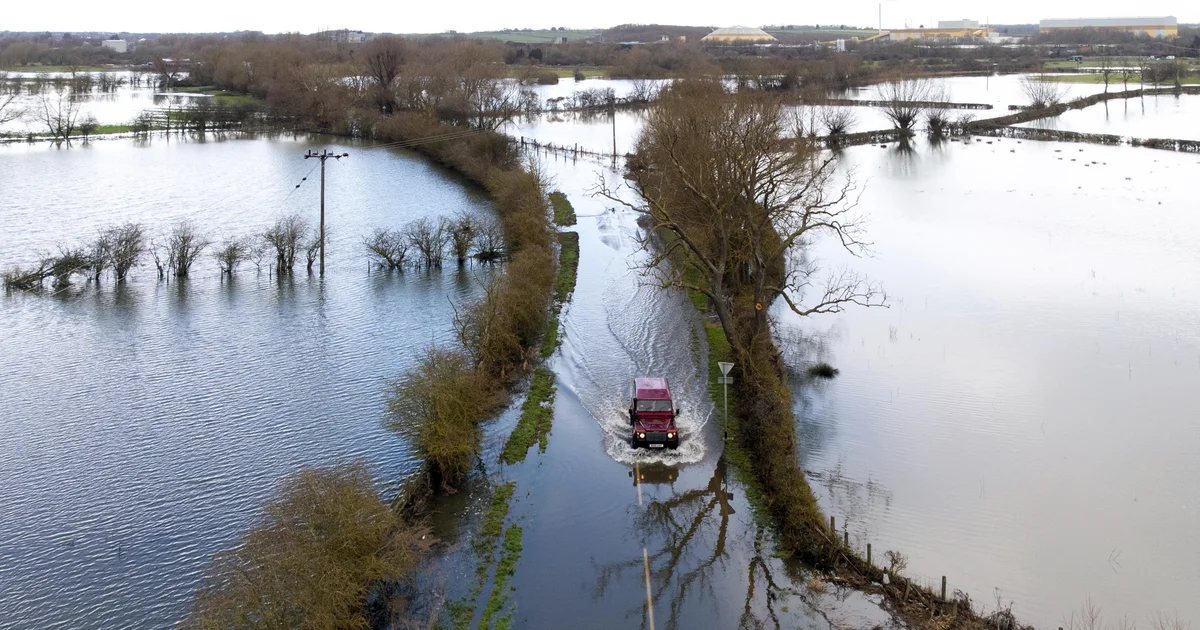
In several regions, rising temperatures have intensified heatwaves, placing pressure on public health systems and increasing the risk of wildfires. Meanwhile, other areas are experiencing heavy rainfall and flooding, causing damage to infrastructure, agriculture, and livelihoods. These contrasting extremes highlight the growing instability in global weather systems.
Experts point to climate change as a key driver behind these irregular patterns, with warming oceans and shifting atmospheric conditions altering traditional weather behavior. The frequency and intensity of such events are expected to increase if greenhouse gas emissions continue at current levels.
The impacts are not limited to the environment alone. Food security, water availability, and economic stability are also under threat, particularly in vulnerable regions. Scientists emphasize the urgent need for coordinated global action, including reducing emissions, strengthening climate resilience, and investing in sustainable practices.
As unusual weather becomes more common, researchers warn that immediate steps are crucial to minimize long-term damage and safeguard communities worldwide. News as reported

- upgraderz.aws@gmail.com
- upgraderz.aws@gmail.com
- upgraderz.aws@gmail.com
- upgraderz.aws@gmail.com