

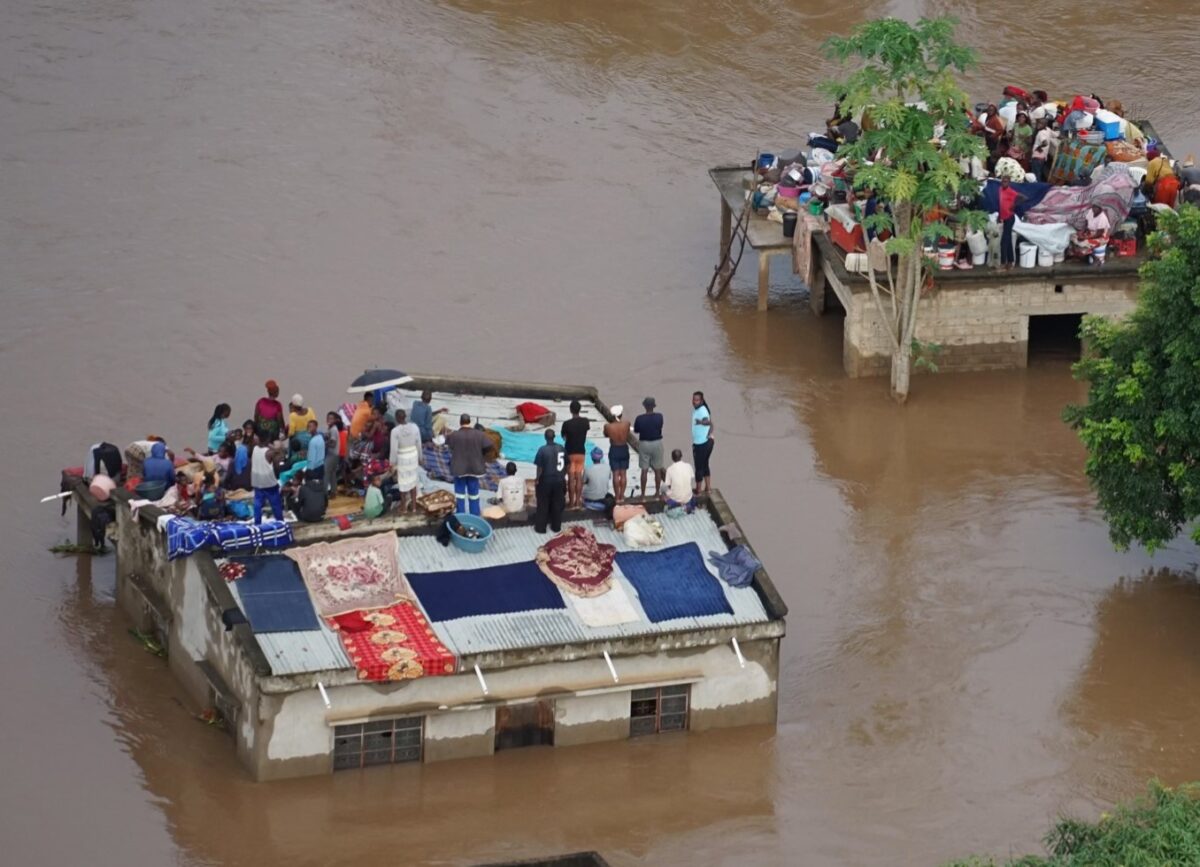
Catastrophic flooding across parts of southern Africa has caused widespread devastation, with scientists pointing to a dangerous combination of climate change and La Niña weather patterns as key drivers of the disaster. Torrential rains have inundated communities, destroyed homes, washed away roads and bridges, and displaced tens of thousands of people across several countries in the region.
La Niña, a natural climate pattern marked by cooler Pacific Ocean temperatures, typically brings heavier rainfall to southern Africa. However, experts say climate change is intensifying these effects by increasing atmospheric moisture and amplifying extreme weather events. As a result, rainfall has become more intense and prolonged, overwhelming rivers, dams, and drainage systems.
The floods have severely impacted agriculture, a vital source of livelihoods in the region. Croplands have been submerged, livestock losses have mounted, and food supply chains have been disrupted, raising concerns about food security in the months ahead. Health risks are also rising, with stagnant floodwaters increasing the spread of waterborne diseases.
Environmental scientists warn that such extreme flooding events are becoming more frequent and severe as global temperatures continue to rise. They stress the urgent need for climate adaptation measures, improved early warning systems, and resilient infrastructure to reduce future losses and protect vulnerable communities – News as reported
