

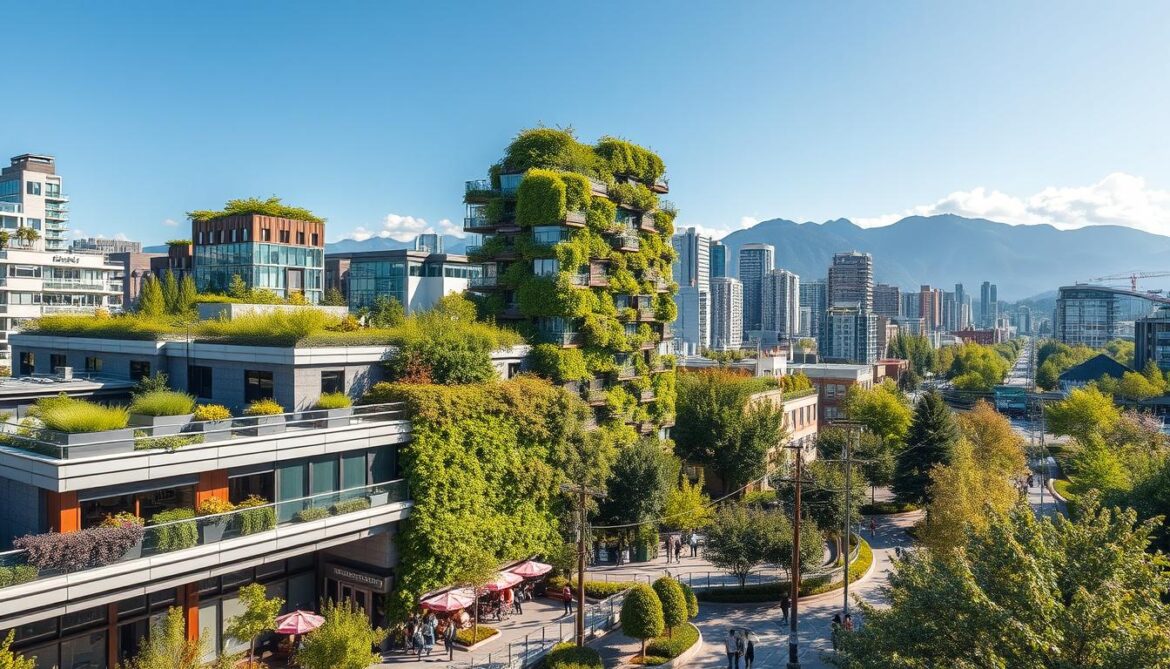
Major cities around the world are accelerating the adoption of urban green initiatives aimed at improving air quality and reducing carbon emissions. From expanding green spaces to promoting sustainable transport, these efforts are part of a broader push to create healthier and more climate-resilient urban environments.
Authorities in several metropolitan areas are investing in large-scale tree planting drives, rooftop gardens, and the restoration of urban wetlands to absorb pollutants and lower temperatures. Green corridors and parks are also being developed to enhance biodiversity while providing cleaner air for residents.
In addition to nature-based solutions, cities are encouraging the use of electric vehicles, improving public transportation systems, and introducing stricter emission norms. Cycling infrastructure and pedestrian-friendly planning are gaining prominence as cities seek to reduce dependence on fossil fuel-powered transport.
Experts note that such initiatives not only help combat air pollution but also play a vital role in mitigating the urban heat island effect. Cleaner air and reduced emissions contribute to better public health and overall quality of life.
However, successful implementation depends on sustained policy support, public participation, and long-term investment. As climate challenges intensify, urban green initiatives are emerging as a key strategy for cities striving toward a cleaner, more sustainable future. News as reported
