

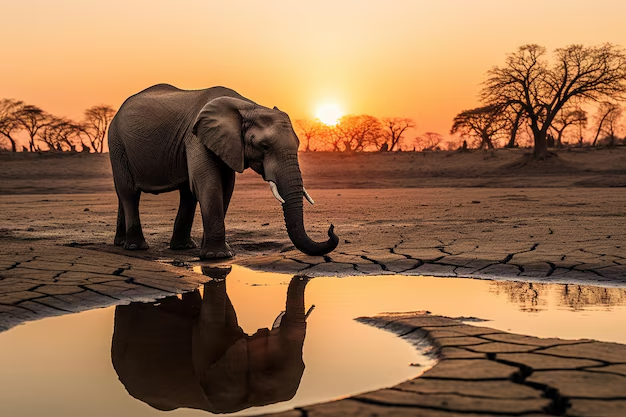
Wildlife migration patterns across the globe are undergoing significant changes as shifting seasonal cycles and habitat disruptions alter long-established natural rhythms. Scientists report that rising temperatures, unpredictable weather, and human-driven land changes are forcing many species to adapt their migration timing, routes, and destinations.
Traditionally, migration is closely linked to seasonal cues such as temperature, rainfall, and food availability. However, climate change is causing these cues to become less predictable. Birds, mammals, and marine species are now arriving earlier or later than usual at breeding or feeding grounds, often leading to mismatches in food supply and reproductive cycles.
Habitat loss due to urban expansion, deforestation, and agricultural development is further compounding the problem. Migration corridors that once provided safe passage are becoming fragmented, making journeys more dangerous and less successful for many species.
Marine life is also affected, with fish and other ocean species moving toward cooler waters as sea temperatures rise. This shift not only disrupts marine ecosystems but also impacts fishing communities that depend on stable fish populations.
Experts warn that continued environmental changes could lead to population declines and even species extinction if adaptive capacities are exceeded. Strengthening conservation efforts, protecting migration routes, and addressing climate change are seen as critical steps to safeguard wildlife and maintain ecological balance. News as reported
