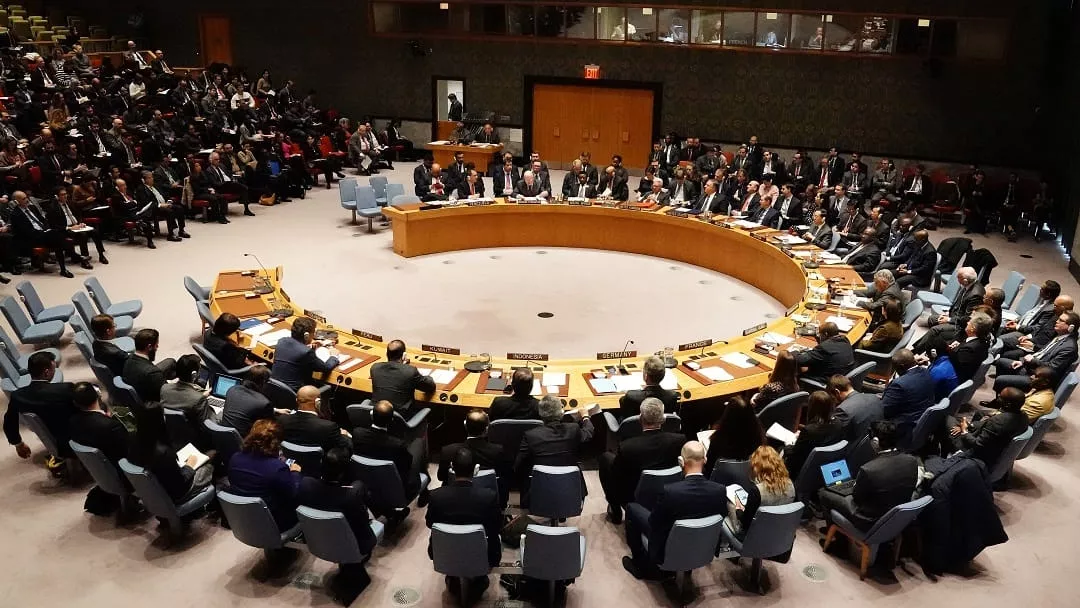
Ceasefire negotiations are showing renewed momentum in several conflict-affected regions, offering a measure of cautious hope that ongoing violence may begin to ease. Diplomatic channels have reportedly intensified in recent days, with international mediators, regional stakeholders, and humanitarian groups urging all sides to commit to de-escalation and civilian protection.
The latest developments have sparked guarded optimism among observers, particularly in areas where prolonged fighting has displaced communities, damaged infrastructure, and disrupted access to food, water, and medical care. A successful ceasefire, even if temporary, could create a crucial opening for humanitarian aid deliveries and further political dialogue aimed at restoring stability.
Officials and analysts, however, warned that the path to lasting peace remains fragile. Past ceasefire efforts in similar situations have often been undermined by mistrust, sporadic clashes, and disagreements over implementation terms. While the current diplomatic momentum is being welcomed, many stress that concrete commitments and effective monitoring will be essential to ensure any agreement holds on the ground.
For civilians living in conflict-hit regions, the possibility of reduced violence brings both relief and uncertainty. Humanitarian agencies continue to call for immediate protections for non-combatants and unhindered access to essential support. As talks continue, the international community is closely watching whether the latest push can translate into meaningful progress toward peace.News as Reported.