

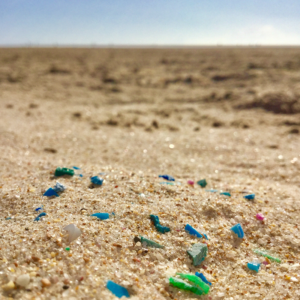
Environmental groups and local communities are demanding an immediate ban on biobeads—tiny plastic pellets used in wastewater treatment—after a surge of pollution was discovered across several UK beaches. The beads, roughly the size of lentils, are designed to help break down sewage in treatment plants. However, recent storms and aging infrastructure have led to large quantities escaping into rivers and washing up along coastlines.
Marine conservationists warn that the biobeads are highly persistent and easily mistaken for food by fish, seabirds, and other wildlife. Once ingested, they can block digestive tracts, carry harmful chemicals, and accumulate up the food chain. Volunteers conducting clean-ups in Cornwall, Devon, and South Wales reported “carpets” of biobeads embedded in sand dunes, rock pools, and high-tide lines.
Campaigners argue that wastewater companies have failed to prevent the release of the beads despite years of warnings. They are urging the UK government to outlaw the use of biobeads and require treatment plants to adopt safer filtration technologies. Several MPs have said they will push for a parliamentary debate, while regulators are reviewing evidence of environmental damage.
Local residents say action is long overdue, calling the pollution “a slow-moving disaster” for coastal ecosystems and tourism-dependent communities.
