

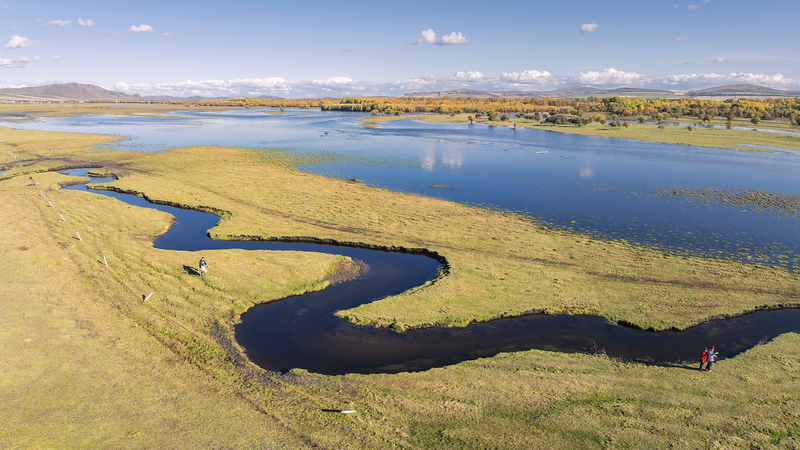
Efforts to safeguard global biodiversity are gaining momentum as governments and conservation groups announce the expansion of protected areas across multiple regions. These new initiatives aim to preserve critical habitats, protect endangered species, and restore ecosystems increasingly threatened by climate change, deforestation, and human activity.
Several countries have recently designated new national parks, wildlife reserves, and marine protected areas, focusing on biodiversity hotspots that host unique and vulnerable species. Experts highlight that expanding protected zones not only helps conserve flora and fauna but also strengthens climate resilience by maintaining natural carbon sinks such as forests, wetlands, and mangroves.
In regions like South Asia, Africa, and Latin America, community-led conservation efforts are also playing a key role, involving local populations in sustainable management practices. This approach is seen as essential for balancing ecological protection with livelihoods.
However, conservationists caution that merely declaring protected areas is not enough. Effective implementation, monitoring, and enforcement are crucial to ensure long-term success. Challenges such as illegal wildlife trade, habitat fragmentation, and resource conflicts continue to pose risks.
The latest developments align with global biodiversity targets, including commitments to protect 30% of land and oceans by 2030. Scientists stress that sustained international cooperation and funding will be vital to reversing biodiversity loss and securing ecosystems for future generations. News as reported
