

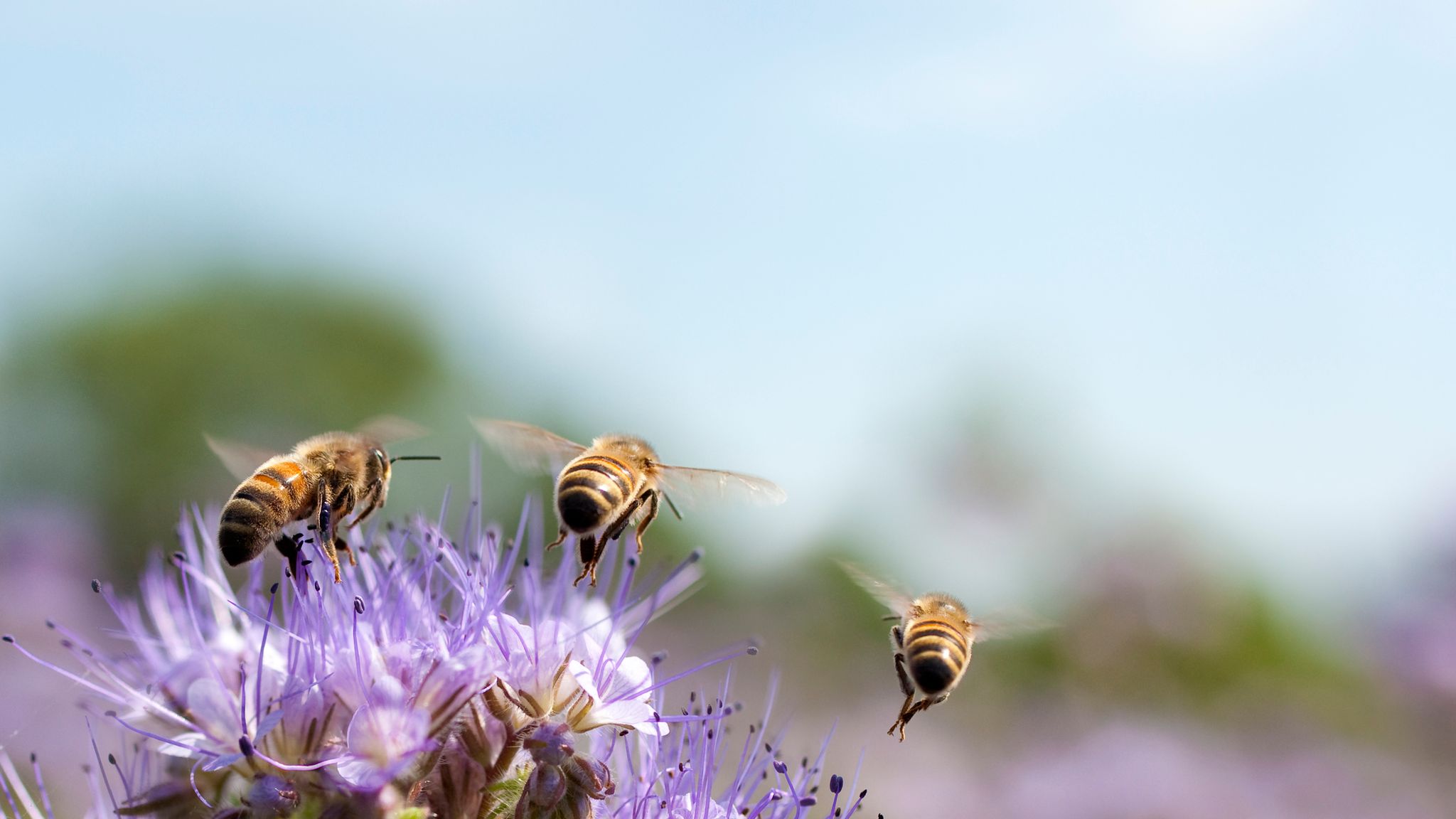
Beekeepers in Brazil are raising alarms that the rapid expansion of lithium mining is threatening native bee populations and undermining honey production, adding new pressure to ecosystems already strained by climate change and deforestation.
Lithium, a key mineral for electric vehicle batteries and renewable energy storage, has driven a mining boom in parts of Minas Gerais and northeastern Brazil. While the industry is promoted as essential for the global energy transition, local beekeepers say mining activities are disrupting fragile environments where native bees forage and nest.
According to beekeeper associations, land clearing, dust pollution and increased water use linked to mining operations are reducing flowering plants and contaminating water sources. Native stingless bees, which play a crucial role in pollinating Brazil’s forests and crops, are seen as particularly vulnerable. “These bees are extremely sensitive to environmental changes,” said one beekeeper. “When the flowers disappear or the water is polluted, entire colonies can collapse.”
Honey producers report declining yields and changes in honey quality, which they attribute to habitat loss and shifting rainfall patterns. Environmental groups warn that the loss of pollinators could have wider consequences for food security and biodiversity, especially in semi-arid regions already affected by rising temperatures.
Beekeepers are calling for stricter environmental oversight, buffer zones around apiaries, and greater consultation with local communities. They argue that balancing mineral extraction with ecosystem protection is essential if Brazil’s green energy ambitions are not to come at the cost of its natural heritage.
