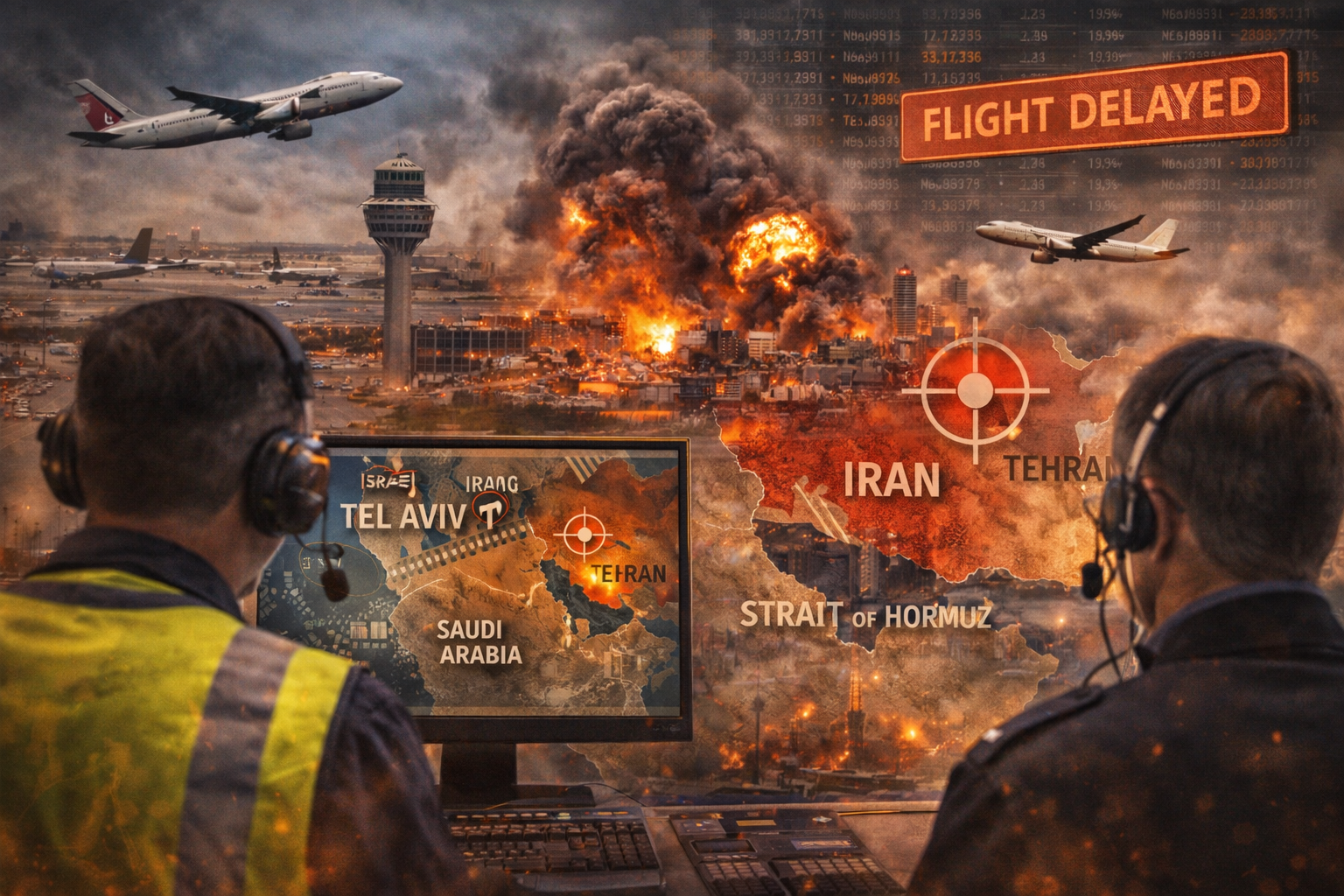
Aviation authorities across several countries are reviewing flight operations and safety procedures as rising security concerns in parts of the Middle East continue to disrupt regional and international air travel.
The escalating tensions in West Asia have led to temporary airspace closures and restrictions across several countries, forcing airlines to cancel or reroute flights to ensure passenger safety. Many airports in the region are operating at reduced capacity while authorities closely monitor the evolving situation.
Airlines worldwide have adjusted their flight schedules, with some carriers suspending routes entirely while others are taking longer alternative paths to avoid high-risk areas. These diversions have increased travel times and operational costs for airlines and caused delays for thousands of passengers.
Major airlines such as Emirates, Etihad Airways, and Qatar Airways have resumed limited services on certain routes, though operations remain restricted and subject to sudden changes depending on security developments.
At the same time, airports across the Gulf region are experiencing disruptions. For example, operations at major hubs in the United Arab Emirates continue under tighter scheduling conditions, while some airlines have cancelled dozens of flights due to restricted airspace and safety concerns.
Flight cancellations have also affected global travel networks. Several international routes connecting cities in Europe, Asia, and the Middle East have been suspended temporarily, leaving travelers stranded at airports while airlines arrange alternative flights or refunds.
Authorities and aviation regulators are coordinating closely with airlines and airport operators to maintain safe operations. Experts say the situation remains fluid, and further route adjustments or flight suspensions could occur if regional security conditions deteriorate.
Industry analysts warn that prolonged tensions could significantly impact global aviation, increasing ticket prices, extending travel times, and disrupting international connectivity across major air corridors linking Asia, Europe, and the Middle East.News as Reported.