

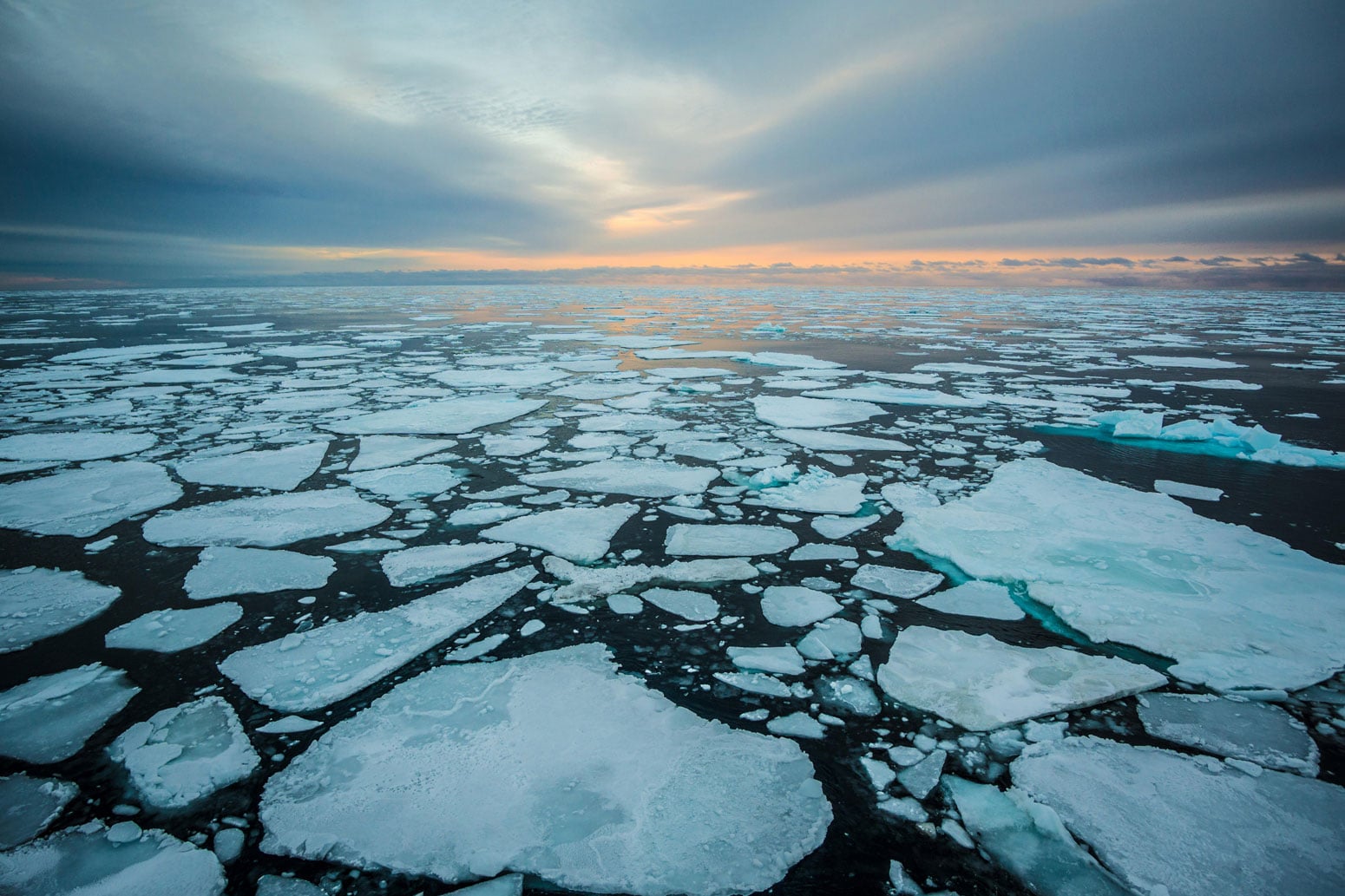
The Arctic Ocean has recorded a new seasonal low in sea ice levels, raising alarm among scientists and environmentalists worldwide. Recent observations indicate that ice coverage has declined significantly compared to historical averages, continuing a long-term downward trend linked to climate change.
Experts warn that shrinking sea ice not only reflects rising global temperatures but also accelerates warming through a feedback loop. With less ice to reflect sunlight, darker ocean waters absorb more heat, further increasing temperatures in the region. This process has far-reaching consequences, including rising sea levels, disrupted weather patterns, and threats to Arctic ecosystems.
Wildlife such as polar bears, seals, and walruses are particularly vulnerable, as they depend on stable ice for hunting and breeding. Scientists also caution that changes in the Arctic can influence extreme weather events across the Northern Hemisphere.
Researchers and global organizations are urging immediate action to reduce greenhouse gas emissions and strengthen climate policies. The latest data serves as a stark reminder of the urgent need for coordinated international efforts to mitigate the impacts of a rapidly changing climate. News as reported
