

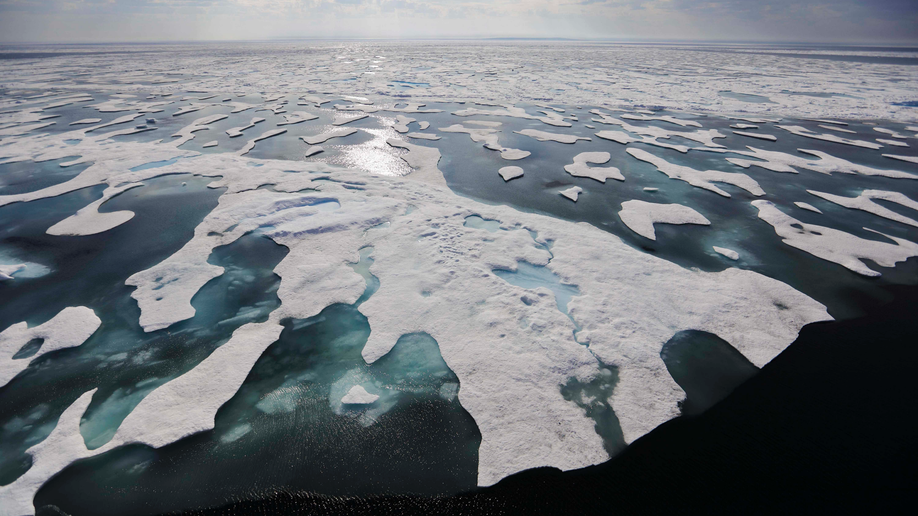
Arctic sea ice levels have recorded an unexpected and alarming decline, raising fresh concerns among scientists about the stability of the global climate system. Recent observations show that winter sea ice—typically at its annual peak—has dropped to near-record lows, continuing a long-term downward trend linked to rising global temperatures.
According to climate researchers, the Arctic reached one of its lowest winter ice extents in 2026, with levels significantly below the historical average. This is particularly concerning because winter is the season when ice coverage usually expands.
The decline is largely attributed to sustained warming in polar regions, where temperatures are increasing faster than the global average. Reduced ice cover limits the Earth’s ability to reflect sunlight, causing oceans to absorb more heat and accelerating further warming—a feedback loop known as the ice-albedo effect.
Experts warn that shrinking Arctic ice can disrupt weather patterns worldwide, potentially intensifying extreme events such as heatwaves, storms, and unusual rainfall. Additionally, the loss of sea ice threatens fragile ecosystems and wildlife dependent on the polar environment.
While year-to-year variations exist, scientists emphasize that the broader trend remains clear: Arctic ice is steadily declining. The latest findings highlight the urgent need for global climate action to mitigate further environmental and climatic impacts. News as reported
