

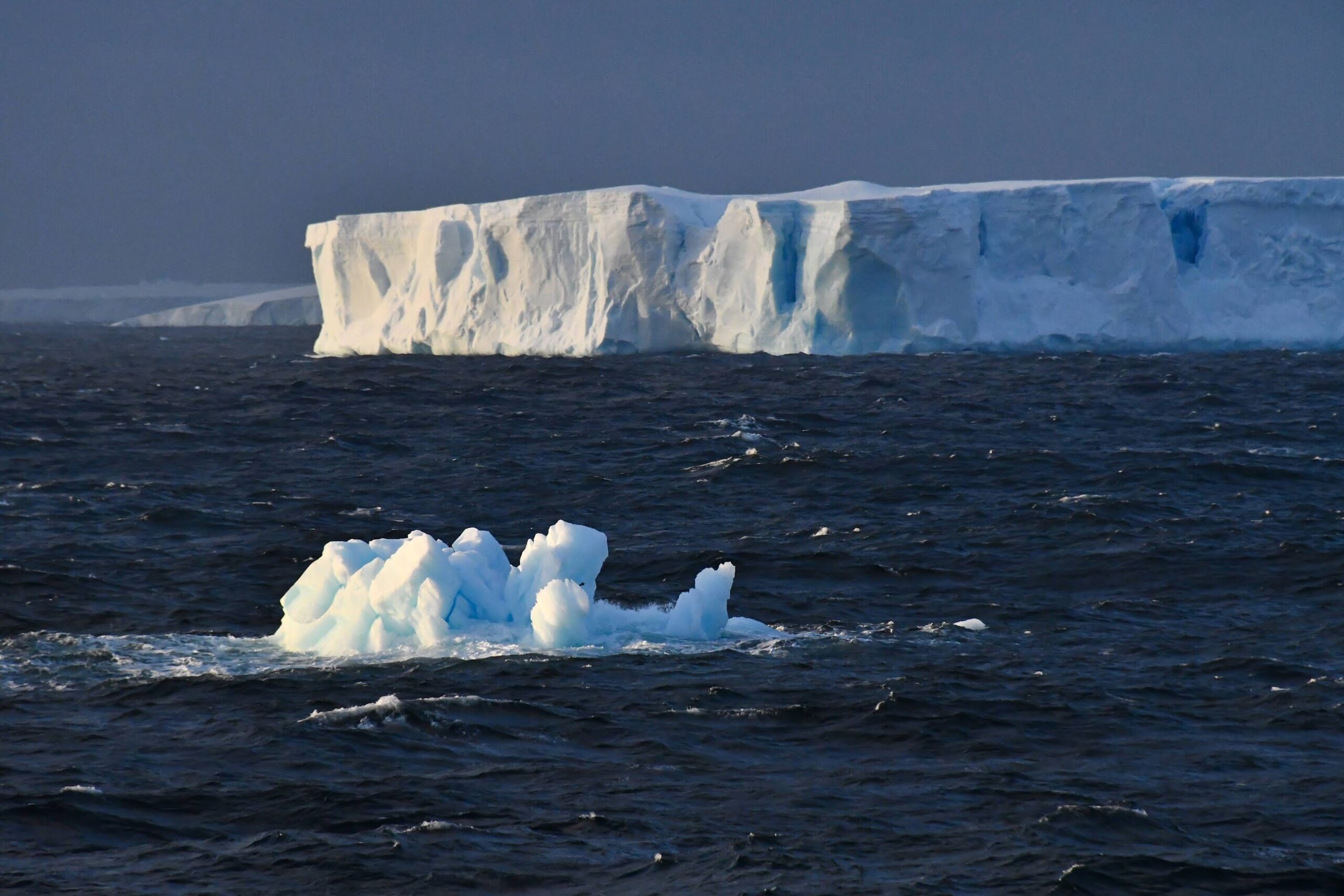
New research into ancient rock formations suggests that Earth’s climate continued to fluctuate even during the extreme frozen intervals known as “Snowball Earth.” Scientists studying sedimentary and geochemical signatures preserved in rocks dating back more than 600 million years have found evidence that the planet’s climate system remained dynamic despite widespread global ice cover.
The Snowball Earth periods, which occurred during the Cryogenian era, are believed to have encased much of the planet in ice, with glaciers potentially reaching the equator. These deep-freeze episodes dramatically altered ocean chemistry, atmospheric composition, and the evolution of early life. However, new analyses of mineral deposits and isotopic data reveal variations that point to ongoing changes in temperature, ocean circulation, and carbon cycling during these icy phases.
Researchers say the findings challenge the long-held view that Snowball Earth represented a static, uniformly frozen world. Instead, localized melting events, volcanic activity, and shifts in greenhouse gas levels may have caused intermittent climate swings even under extreme glaciation.
Understanding how Earth’s climate operated during these ancient frozen states could provide valuable insights into modern climate dynamics. Scientists believe the resilience and variability of the climate system during Snowball Earth may offer clues about tipping points, feedback loops, and how the planet responds to large-scale environmental stress. News as reported
