

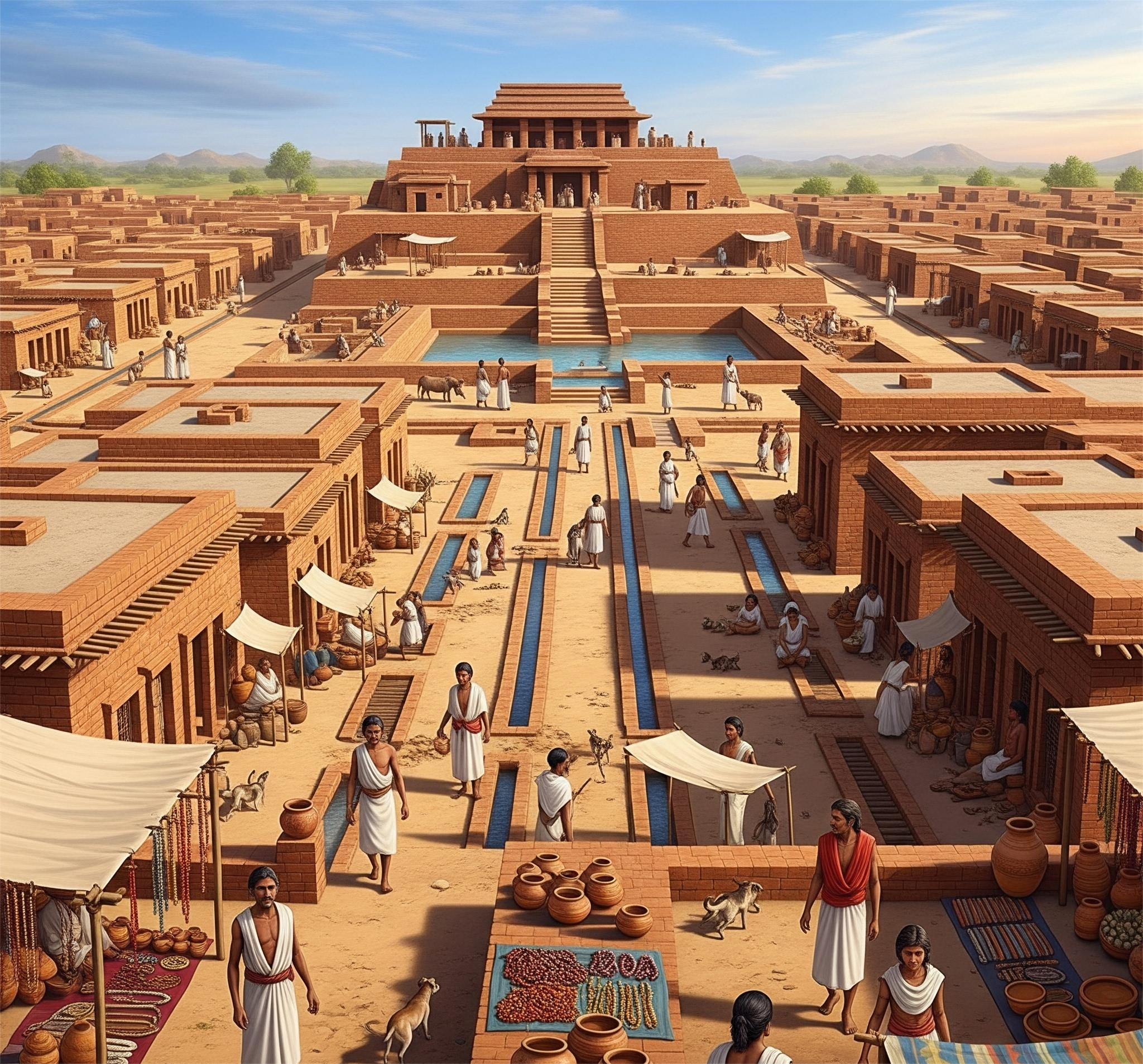
Archaeologists have uncovered a remarkably well-preserved ancient settlement in a fertile river valley, a discovery that is reshaping understanding of early trade networks and cultural exchange. The site, believed to date back more than 3,500 years, contains residential structures, storage facilities, pottery workshops and a network of pathways that suggest a thriving and organized community.
Among the most significant finds are beads made from semi-precious stones, finely crafted ceramics, and metal objects that appear to originate from distant regions. Researchers say these artifacts indicate that the settlement was not isolated but instead served as an active hub in a far-reaching trade system. The presence of non-local materials suggests exchanges spanning hundreds, possibly thousands, of kilometers.
Preliminary analysis also reveals evidence of advanced water management and agricultural planning, pointing to a sophisticated society capable of sustaining both population growth and commercial activity. Carbon dating and material studies are underway to refine the timeline and trace the origins of traded goods.
Experts believe the discovery could challenge long-held assumptions that early river valley communities were primarily agrarian and inward-looking. Instead, the findings highlight their role as dynamic participants in early economic networks, offering fresh insight into how trade helped shape the foundations of complex civilizations. News as reported
