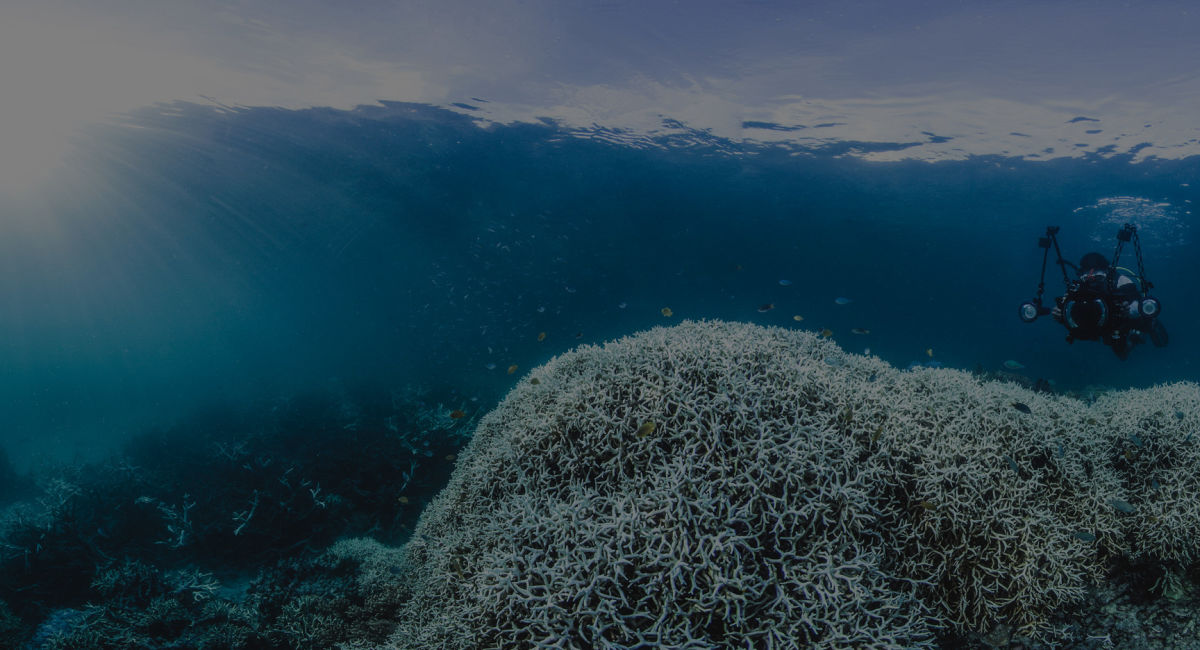
Large-scale restoration efforts are accelerating to protect the Great Barrier Reef as climate change continues to threaten the world’s largest coral ecosystem. Scientists, conservation groups, and government agencies are expanding projects aimed at boosting the reef’s resilience to rising ocean temperatures, coral bleaching, and acidification.
Key initiatives include coral gardening and selective breeding programs that cultivate heat-tolerant coral species before transplanting them back onto damaged reef sections. Researchers are also deploying innovative techniques such as larval reseeding, reef shading, and improved water-quality management to reduce local stressors like pollution and sediment runoff from coastal development and agriculture.
These efforts are being supported by increased funding and international collaboration, reflecting growing recognition of the reef’s ecological and economic importance. The Great Barrier Reef supports thousands of marine species and underpins tourism and fishing industries that contribute billions of dollars annually to Australia’s economy.
Despite the scale-up, scientists caution that restoration alone cannot save the reef without rapid global reductions in greenhouse gas emissions. Mass bleaching events linked to marine heatwaves are becoming more frequent, limiting the time corals have to recover.
Experts say restoration can buy critical time, helping preserve biodiversity and ecosystem functions, but lasting protection of the Great Barrier Reef ultimately depends on addressing the root causes of climate change worldwide – News as reported