

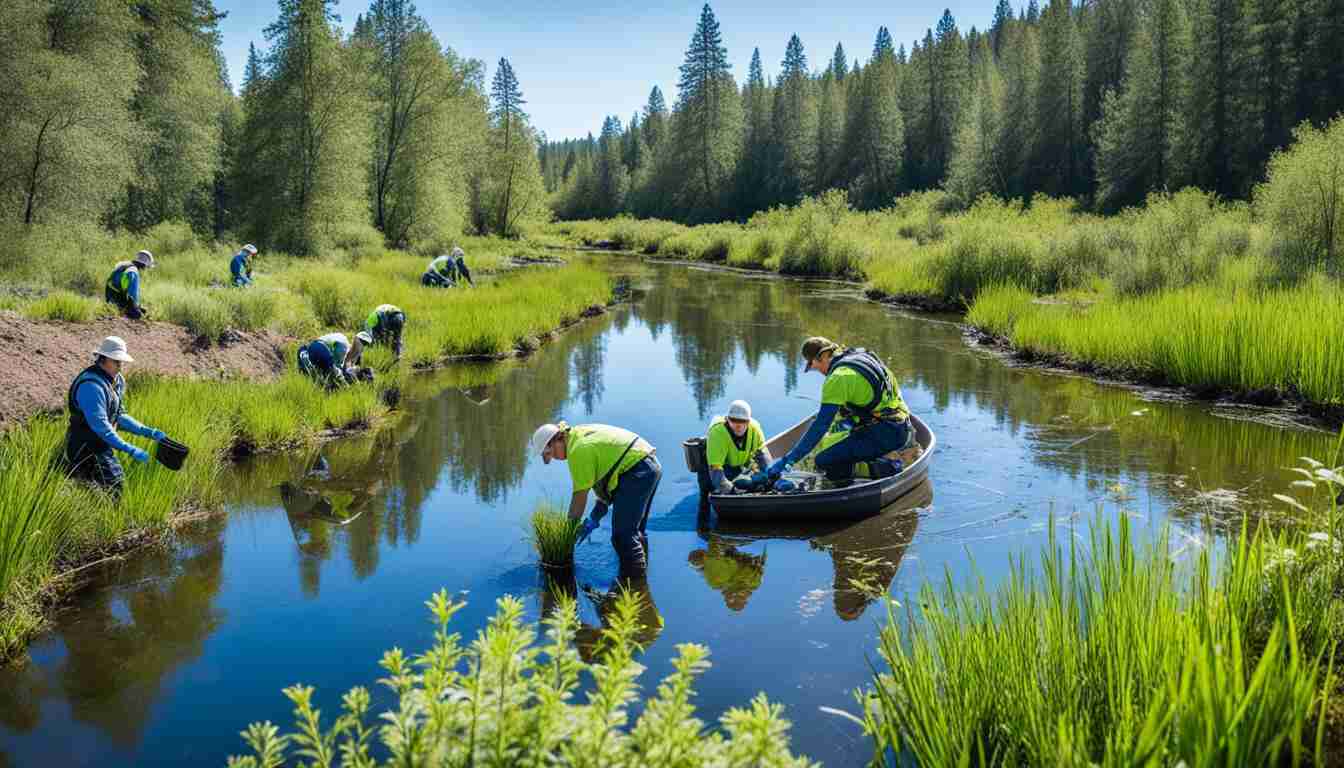
An international alliance of conservation groups, Indigenous leaders, and environmental experts has called for greater recognition of traditional knowledge systems to protect and restore the world’s rapidly disappearing wetlands during a series of global conservation events this week.
The coalition emphasized that Indigenous communities and local populations have managed wetlands sustainably for generations, using time-tested practices that maintain biodiversity, regulate water flow, and strengthen ecosystem resilience. Integrating this knowledge with modern science, they argue, can significantly improve restoration efforts and long-term conservation outcomes.
Wetlands — including marshes, mangroves, peatlands, and floodplains — play a critical role in absorbing carbon, reducing floods, filtering water, and supporting wildlife. Despite their importance, nearly 35 percent of the world’s wetlands have been lost over the past century due to urban expansion, agriculture, and climate change.
Alliance members highlighted successful examples where community-led stewardship has revived degraded wetlands, improved fish stocks, and protected endangered species. They urged governments and policymakers to formally include Indigenous voices in planning and decision-making processes, as well as provide legal protections for traditional land rights.
Experts warn that without immediate action, wetland loss could accelerate climate impacts and threaten food and water security. The alliance says blending traditional ecological wisdom with scientific innovation offers one of the most effective paths toward sustainable wetland conservation. News as reported

- upgraderz.aws@gmail.com
- upgraderz.aws@gmail.com
- upgraderz.aws@gmail.com
- upgraderz.aws@gmail.com