

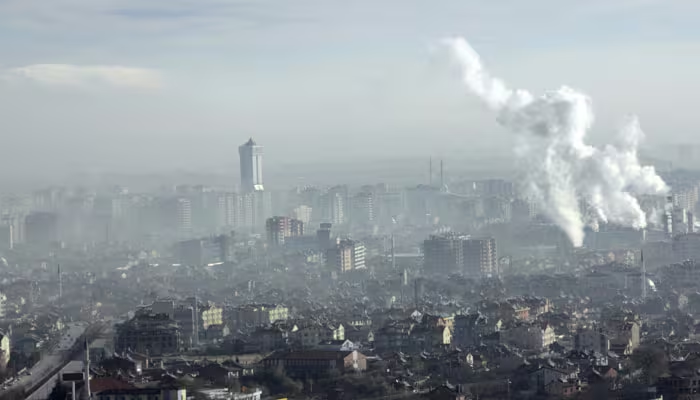
Authorities in major urban centers around the world are intensifying air quality monitoring as concerns grow over rising pollution levels and their impact on public health. Environmental agencies have expanded the use of real-time monitoring stations and mobile sensors to better track pollutants such as fine particulate matter, nitrogen dioxide, and ground-level ozone.
The move comes amid increased traffic congestion, industrial activity, and prolonged heat conditions that can worsen air pollution. Health experts warn that poor air quality is linked to respiratory illnesses, cardiovascular diseases, and reduced quality of life, particularly for children, older adults, and people with existing health conditions.
Several cities have begun sharing air quality data more frequently with the public through apps and digital displays, allowing residents to make informed decisions about outdoor activities. In some areas, authorities are also issuing pollution advisories and temporarily restricting vehicle use or industrial emissions during high-risk periods.
Urban planners and policymakers say the intensified monitoring will help identify pollution hotspots and guide long-term strategies to improve air quality. These include promoting public transportation, encouraging cleaner energy use, and expanding green spaces.
Environmental groups welcome the increased focus on monitoring, noting that accurate data is essential for effective action. Experts stress that while monitoring is a critical step, sustained efforts to reduce emissions are necessary to achieve lasting improvements in urban air quality.
