

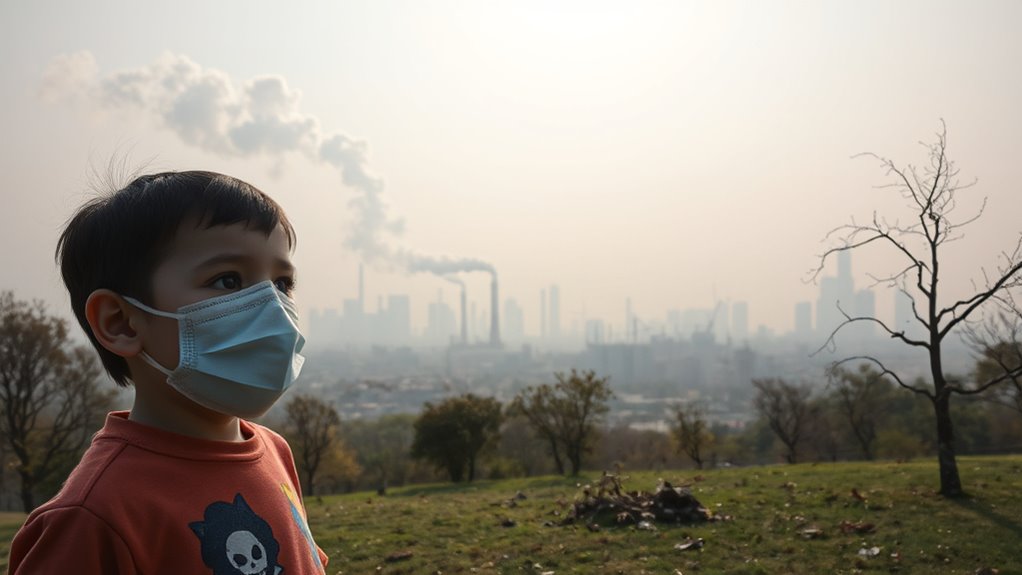
Several major cities around the world are beginning to see early improvements in air quality following the adoption of green policies and sustainable urban initiatives. Authorities report a noticeable decline in key pollutants such as particulate matter (PM2.5) and nitrogen dioxide (NO₂), which are commonly linked to vehicle emissions, industrial activity, and construction dust.
Measures such as expanding public transportation, promoting electric vehicles, increasing urban green spaces, and enforcing stricter emission standards have contributed to these positive trends. Cities that have introduced low-emission zones and improved waste management systems are also witnessing cleaner air and healthier living conditions.
Environmental experts caution that while the initial results are encouraging, long-term commitment is essential to sustain and further these gains. Seasonal factors and weather conditions can still influence pollution levels, making continuous monitoring and policy adjustments necessary.
Improved air quality is expected to bring significant public health benefits, including reduced respiratory and cardiovascular diseases. It also enhances overall quality of life, particularly in densely populated urban areas.
Officials emphasize that continued collaboration between governments, industries, and citizens will be key to maintaining momentum and achieving lasting environmental improvements. News as reported

- upgraderz.aws@gmail.com
- upgraderz.aws@gmail.com
- upgraderz.aws@gmail.com
- upgraderz.aws@gmail.com