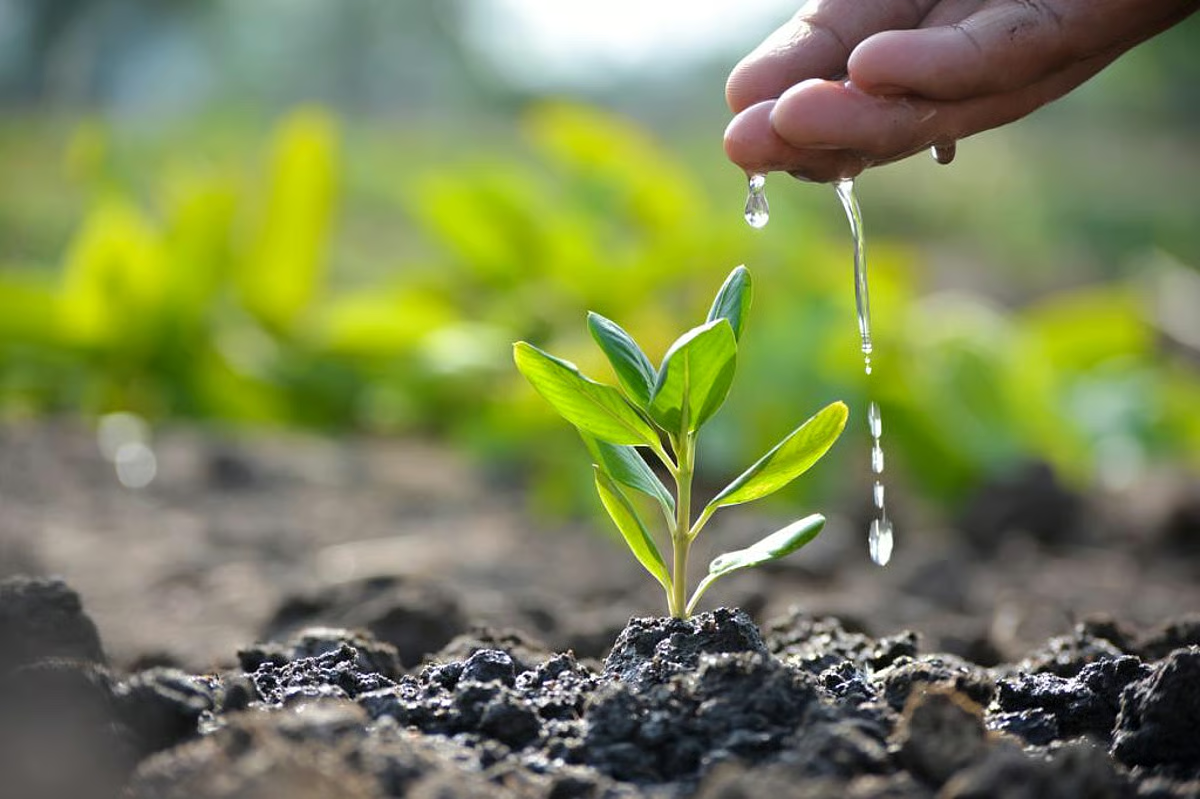
Large-scale afforestation initiatives are gaining momentum worldwide as countries intensify efforts to combat climate change and restore ecological balance. Governments, environmental organizations, and local communities are increasingly investing in tree-planting campaigns to absorb carbon dioxide, improve biodiversity, and protect natural resources.
Afforestation—the process of planting trees in areas that were previously non-forested—plays a crucial role in reducing atmospheric carbon levels. Trees act as natural carbon sinks, helping to offset emissions from industries, transportation, and other human activities. Many nations have announced ambitious targets, aiming to plant billions of trees over the coming decades as part of their climate commitments.
Beyond carbon capture, these initiatives bring multiple environmental benefits. Expanding forest cover helps prevent soil erosion, improves water retention, and supports wildlife habitats. In rural areas, afforestation projects also create employment opportunities and contribute to sustainable livelihoods.
However, experts caution that simply planting trees is not enough. The success of such drives depends on selecting native species, ensuring long-term maintenance, and protecting newly planted forests from deforestation and climate stress. Poorly planned projects can fail to deliver expected benefits or even harm local ecosystems.
As global temperatures continue to rise, afforestation is emerging as a key strategy in climate action, offering a nature-based solution to help build a more sustainable and resilient future. News as reported