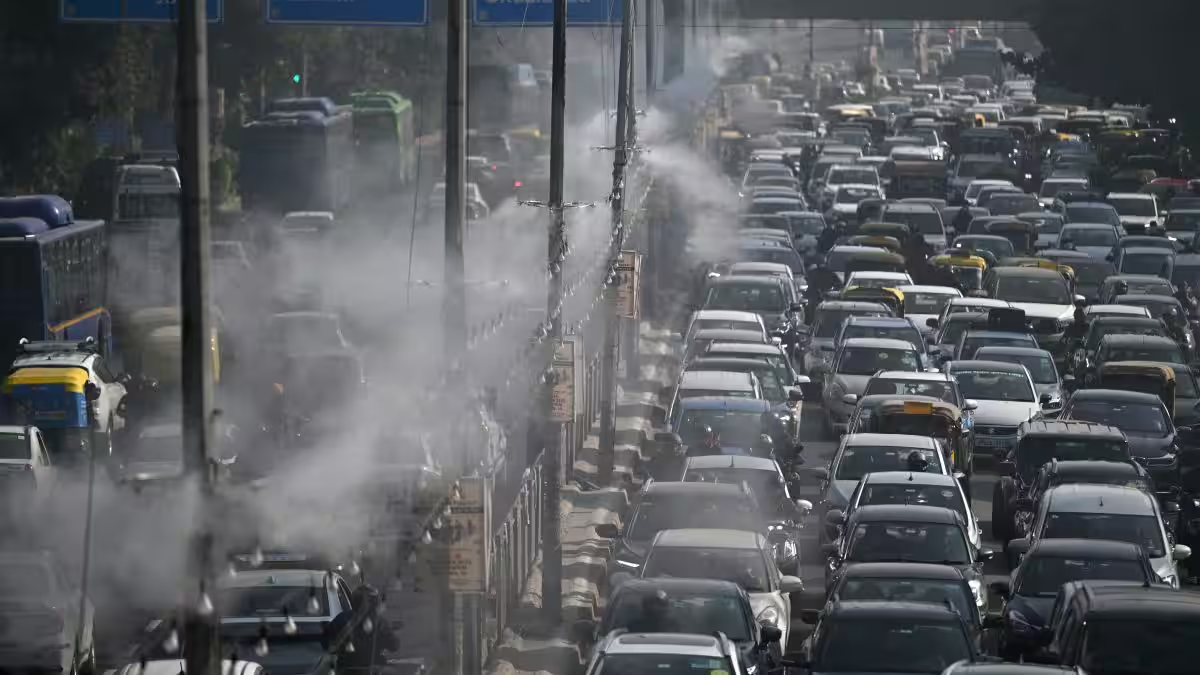
Major urban centres around the world are tightening air pollution regulations as health risks linked to poor air quality continue to rise. Cities including Delhi, Beijing, and London have introduced stronger emission standards, expanded low-emission zones, and increased surveillance of industrial pollutants.
Authorities are focusing on reducing particulate matter (PM2.5), nitrogen oxides, and other harmful emissions from vehicles, coal-based industries, and construction sites. Measures include phasing out older diesel vehicles, promoting electric buses, enforcing dust-control norms, and improving public transport systems. Real-time air quality monitoring networks are also being strengthened to provide timely public advisories during pollution spikes.
Public health experts warn that prolonged exposure to polluted air significantly raises the risk of asthma, chronic respiratory diseases, cardiovascular problems, and premature deaths. Children and elderly populations are especially vulnerable during high-smog periods.
Environmental planners emphasize that while emergency steps are necessary, long-term air quality improvement depends on cleaner energy transitions, sustainable urban planning, waste management reforms, and public participation. Officials maintain that consistent enforcement and behavioural changes will be crucial to reducing pollution levels and safeguarding urban populations in the years ahead. News as reported