

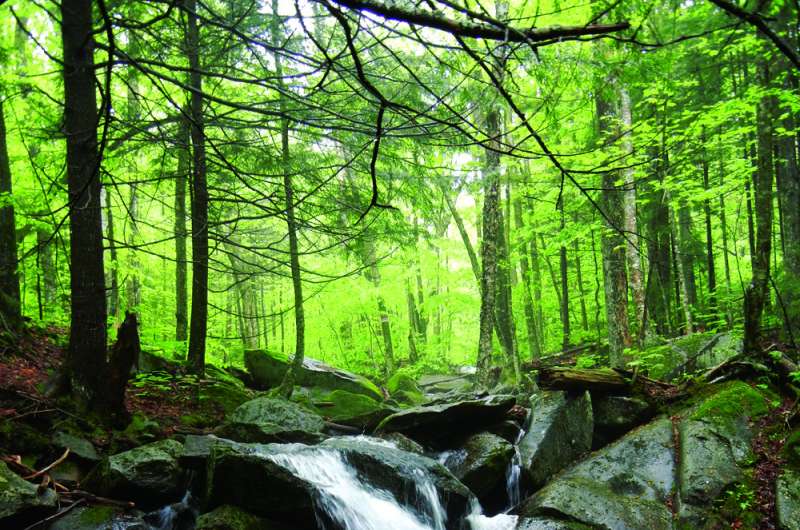
Research has highlighted the crucial role of rain-filled tree hollows in maintaining forest ecosystem health, drawing attention to these often-overlooked microhabitats. Formed naturally as trees age, decay, or are shaped by weather and wildlife activity, these hollows collect rainwater and organic matter, creating small but dynamic aquatic environments within forest landscapes.
Scientists found that such water-filled cavities support a wide range of organisms, including insects, amphibians, microorganisms, and even small mammals. These species rely on the moist, nutrient-rich conditions for breeding, feeding, and shelter. In turn, they contribute to nutrient cycling and food web stability, strengthening overall forest resilience.
The study notes that tree hollows act as temporary reservoirs during dry spells, offering critical refuge for moisture-dependent species. They also help regulate local humidity and support decomposer communities that break down leaf litter and organic debris, returning nutrients to the soil.
However, researchers warn that intensive logging, removal of old-growth trees, and forest degradation are reducing the availability of mature trees capable of forming such hollows. Protecting aging trees and maintaining structural diversity within forests are therefore essential conservation strategies.
By underscoring the ecological importance of rain-filled tree hollows, the research calls for forest management practices that recognize and preserve these small yet powerful contributors to biodiversity and ecosystem stability. Nes as reported
