

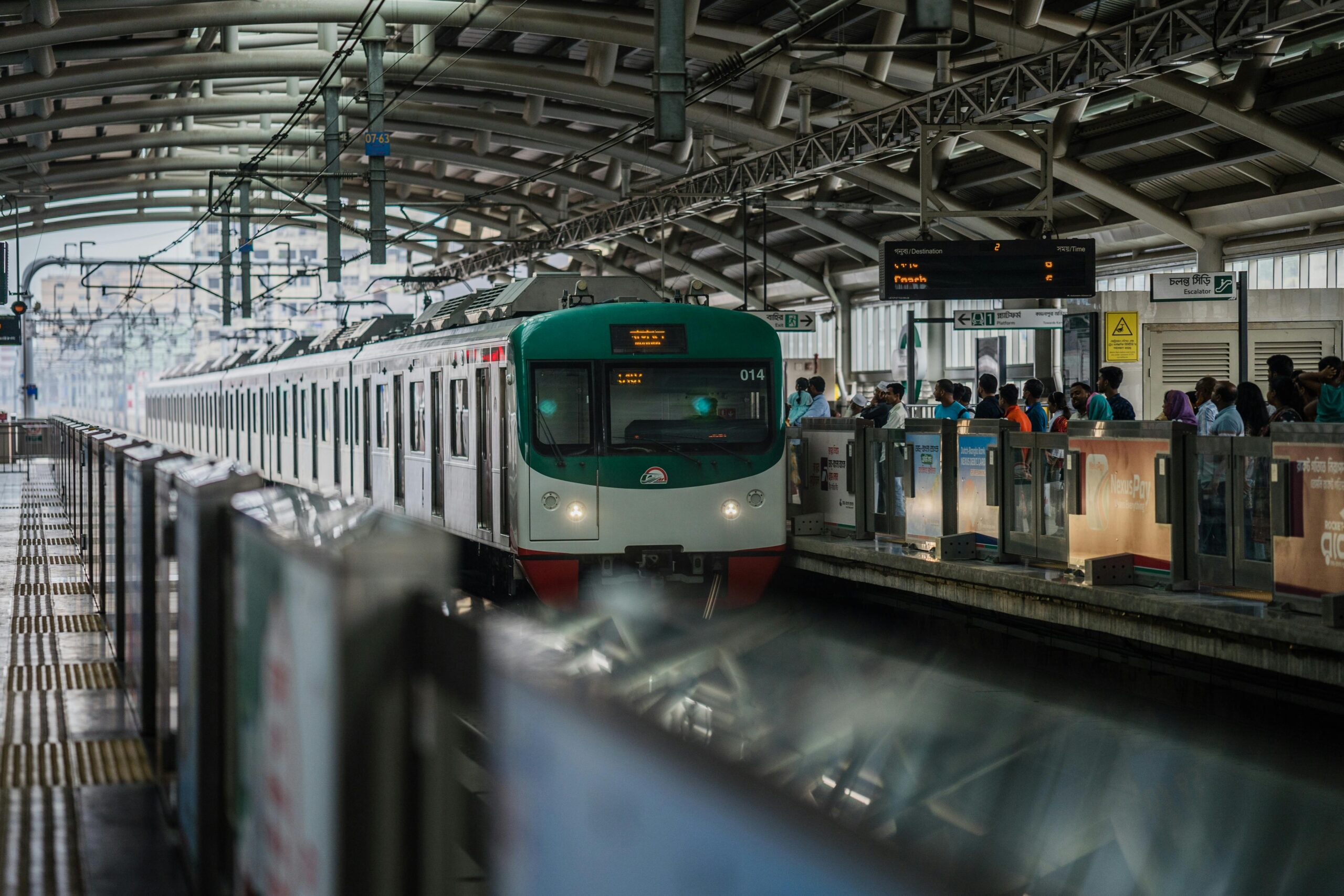
Commuters faced significant inconvenience today as a technical glitch disrupted Kochi Metro services during the morning rush hour, leading to delays and crowding at several stations across the city. The incident occurred at around peak travel time, affecting thousands of daily riders who depend on the metro for their commute to work, schools, and other destinations.
According to officials from Kochi Metro Rail Ltd, an unexpected signalling system malfunction caused trains to slow down and operate at reduced capacity for an extended period. The fault prompted automated safety protocols that temporarily halted services on certain segments of the metro line while technicians worked to diagnose the issue.
Passengers waiting on platforms were initially informed of the delay through station announcements, and staff were deployed to assist stranded commuters and manage crowd flow. Some trains were rerouted or operated at longer intervals to ease congestion, but many commuters still experienced significant waiting times.
The Metro control centre confirmed that the glitch stemmed from a software communication failure between trackside equipment and central systems, triggering an automatic safety lock. Engineers responded swiftly to isolate the fault and restore normal operations, which resumed gradually after peak hours.
Officials have assured the public that full service has now been restored, and a detailed investigation is underway to identify the root cause and prevent similar disruptions in the future. Maintenance teams will also review sensor calibration and system redundancy measures to improve reliability.
While no injuries were reported, many commuters expressed frustration at the unexpected disruption, especially during the busy morning window. Regular Metro users highlighted the importance of timely and dependable services, given that the system is a key component of Kochi’s urban transport network.
Kochi Metro management has apologised for the inconvenience and encouraged passengers to check service updates on official channels during travel. The incident has renewed focus on the need for robust infrastructure resilience in rapidly expanding public transit systems.


- upgraderz.aws@gmail.com
- upgraderz.aws@gmail.com
- upgraderz.aws@gmail.com
- upgraderz.aws@gmail.com