

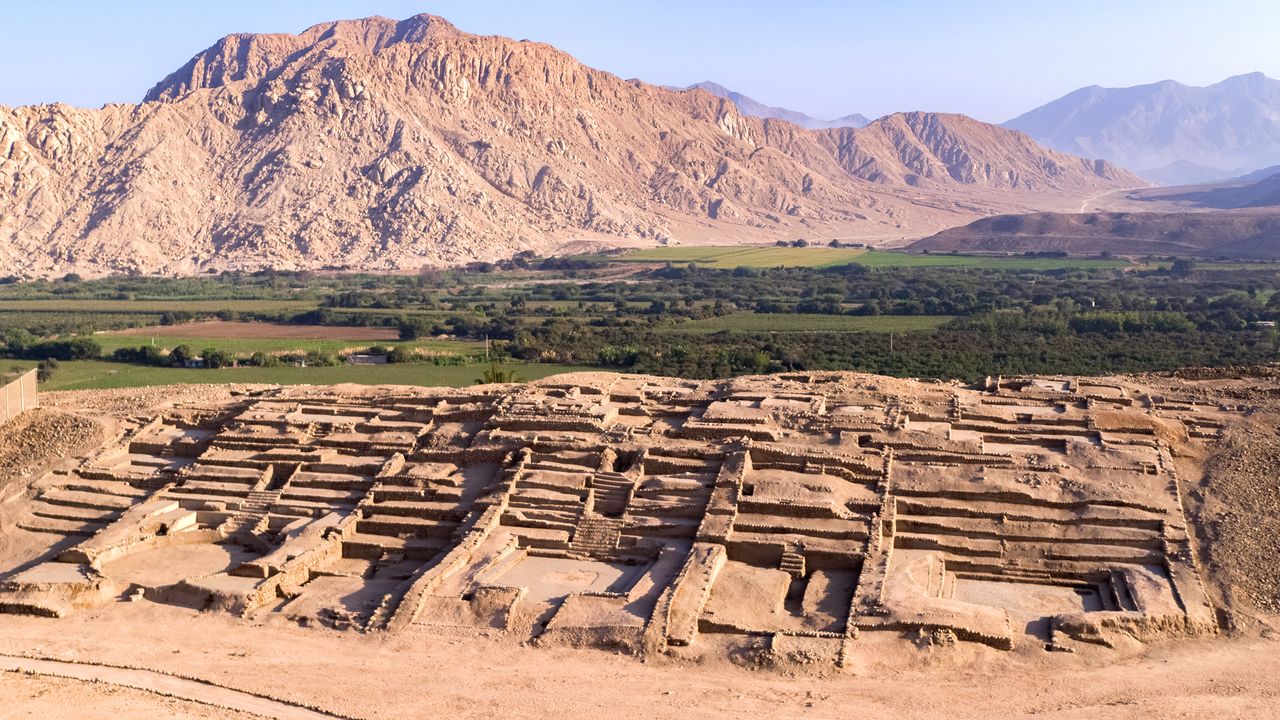
Archaeologists have announced the discovery of a major ancient river valley settlement that could fundamentally reshape understanding of early trade networks and cultural exchange in antiquity. Excavations at the newly unearthed site — located along a significant river corridor — have revealed the remains of an extensive settlement featuring domestic structures, storage facilities, and artefacts linked to trade and transport dating back several millennia.
Preliminary analysis of recovered objects shows evidence of long-distance commerce and cultural contacts far earlier than previously documented for the region. Archaeologists have uncovered items such as stone beads, pottery with distinctive designs, and trade goods that appear to originate from distant regions, indicating the settlement’s role as a hub within emergent inter-regional trade networks.
Experts say the site’s layout and artefacts suggest a sophisticated society with structured economic activities, overturning assumptions that early river valley communities were primarily small and isolated. This discovery adds to a growing body of research showing that organized trade routes and commercial support infrastructure — including caravanserais and fortified stops — were established thousands of years before major historical trade routes like the Silk Road.
Researchers plan further excavations and scientific dating to refine the chronology and map how this settlement connected with other ancient populations, potentially rewriting textbooks on the dawn of long-distance trade.
News as reported
