

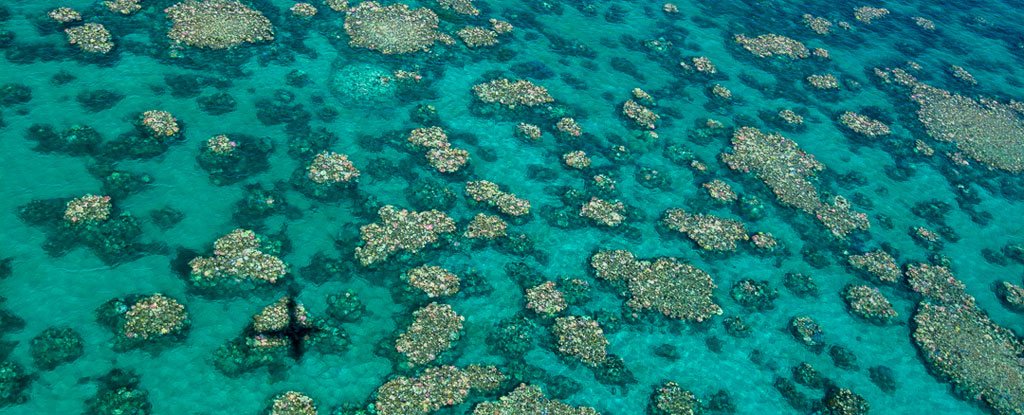
Scientists and oceanographers have issued stark warnings that global coral reefs are entering one of the most severe bleaching crises on record as ocean temperatures continue to climb due to climate change. A major international study — part of the ongoing Fourth Global Coral Bleaching Event that began in 2023 — shows that more than half of the world’s reefs were bleached during past heatwaves and current warming trends may surpass those extremes.
Coral bleaching happens when marine heat stress forces corals to expel the symbiotic algae that live inside them, stripping food sources and vibrant colour and leaving reefs vulnerable to disease and death. Historically, coral bleaching events were severe but short-lived. However, the present crisis is more extended and widespread, with satellite and field data showing bleaching-level heat stress affecting around 84 % of coral ecosystems worldwide at various times during the ongoing event.
Researchers warn this year could see unprecedented bleaching impacts as marine heatwaves intensify in frequency and severity — giving corals less time to recover between events. The collapse of reef ecosystems would have devastating effects on marine biodiversity, fisheries, tourism, and coastal protection, threatening billions of people who depend on them. Scientists emphasize urgent global action on greenhouse gas emissions to curb warming and preserve remaining reef systems. News as reported
