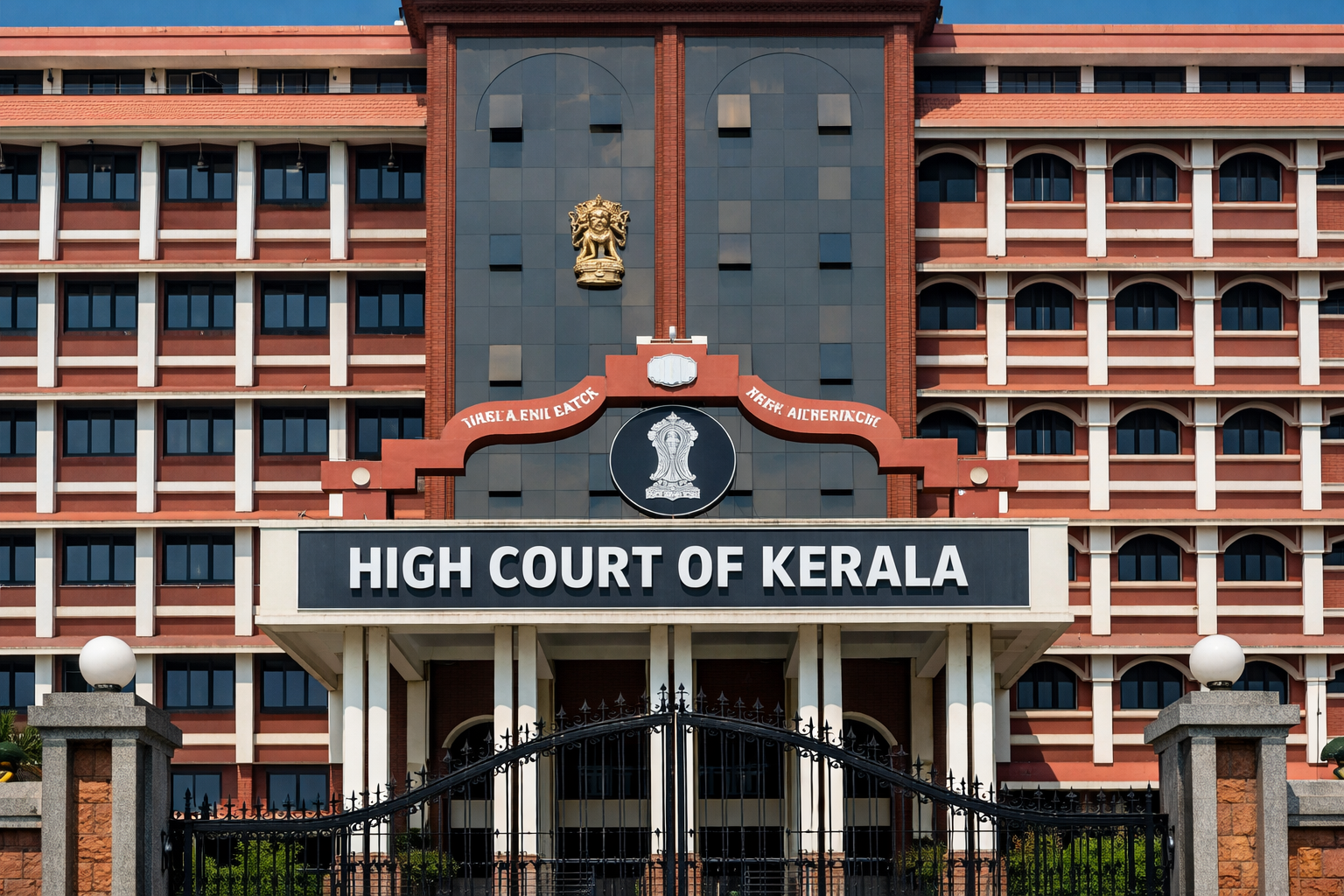
The Kerala High Court has struck down the state government’s much-debated citizen survey initiative, a programme designed to collect extensive personal, social and economic data from residents. In a verdict delivered on February 20, 2026, a division bench declared key provisions of the survey plan unconstitutional, ruling that it encroached on individuals’ privacy rights and did not have adequate statutory backing. The court’s order has triggered a swift response from the state government, which has announced its intention to appeal the decision before the Supreme Court of India.
The citizen survey had been introduced as a tool to assist with policy planning, welfare delivery and targeted interventions across sectors such as health, education, public distribution and urban-rural development. Officials had maintained that it would enable more efficient governance by creating an up-to-date, comprehensive database of socio-economic indicators. However, the scheme drew criticism from civil liberty groups and opposition parties on grounds that it lacked a clear legal framework, posed risks to data security, and could lead to misuse of sensitive personal information.
In its judgment, the High Court emphasised that while the goal of data-driven governance was laudable, any large-scale collection of personal citizen information must be grounded in robust legislative authority and accompanied by safeguards to protect privacy and prevent arbitrary use. The court pointed to provisions of the Right to Privacy recognised by the Supreme Court in earlier landmark rulings and observed that the existing survey plan did not meet the threshold of legality and procedural safeguards required for collection of such data.
State government counsel informed the bench that the displeased administration plans to challenge the High Court’s decision on constitutional grounds. The government has prepared to file a special leave petition (SLP) before the Supreme Court of India, arguing that the survey is essential for efficient welfare delivery and that adequate data protection practices will be put in place.
Opposition leaders and civil rights organisations welcomed the High Court’s ruling, calling it a “victory for individual rights” and reiterating concerns about government overreach in data collection without explicit legal sanction. At the same time, some policy experts have cautioned that striking down the initiative exposes gaps in the legal framework for state-level data collection, underscoring the need for comprehensive data protection legislation at the national level.
The Supreme Court appeal is expected to be filed within the next week, with legal teams on both sides preparing arguments. The case may have broader implications for similar data initiatives by other states and for debates on the balance between governance tools and individual privacy protections.
News as reported