

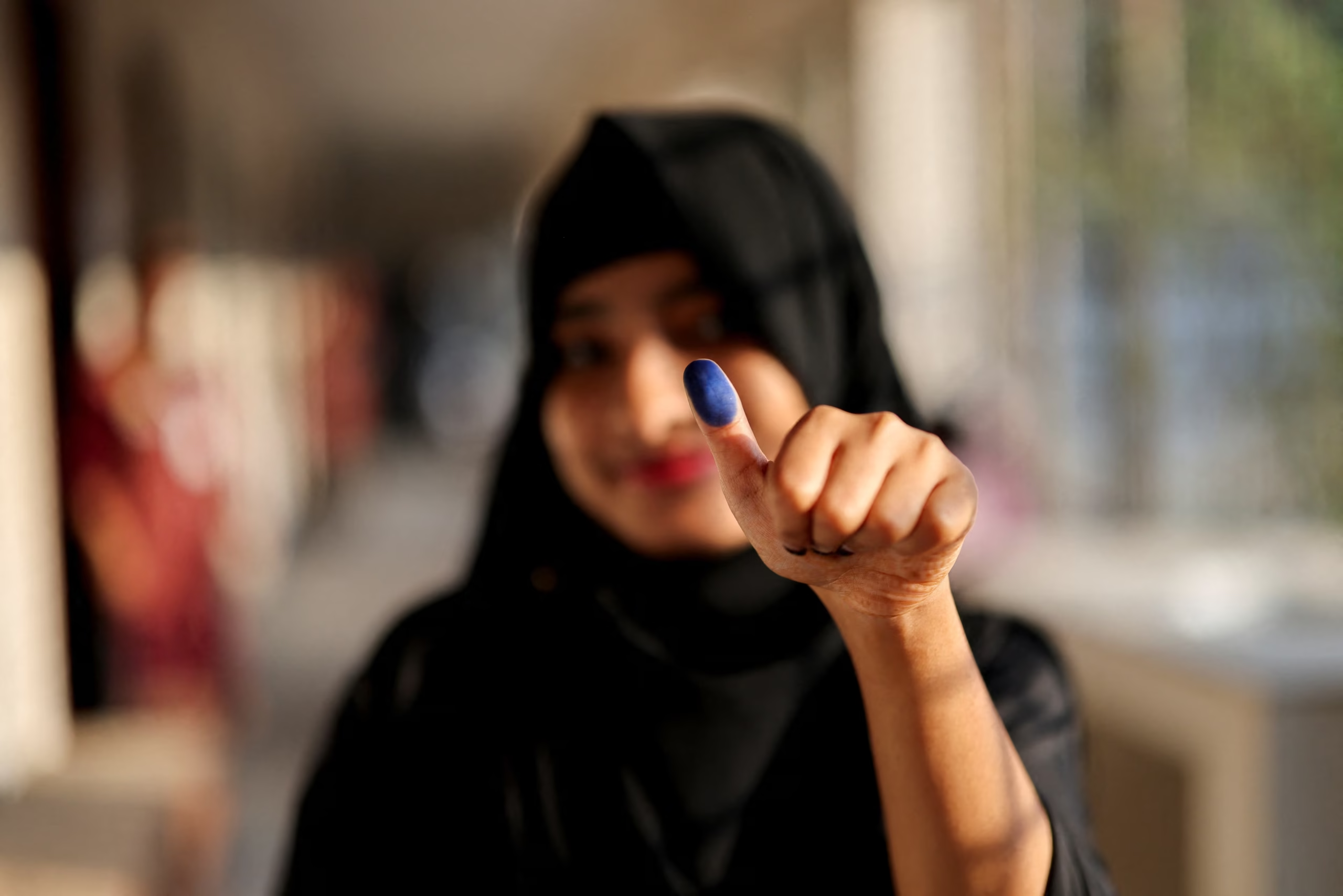
Bangladesh held its 13th parliamentary election on Feb. 12, 2026, in a high-stakes vote that many see as a critical test of the country’s democratic transition after a youth-led uprising toppled former Prime Minister Sheikh Hasina in 2024. Millions of voters lined up at polling stations across the country under heavy security deployments, with an interim administration led by Nobel laureate Muhammad Yunus overseeing the process.
Supporters of the two main rival coalitions — the Bangladesh Nationalist Party (BNP) and the **Islamist Jamaat-e-Islami-led alliance — were reported to have engaged in isolated clashes in areas including the capital Dhaka, where tensions briefly flared as voters cast their ballots. These clashes involved supporters and were seen as indicative of the intense political rivalry shaping the electoral landscape. Security forces were deployed to contain unrest, and campaign violence and harassment had been documented in the weeks leading up to the vote.
The election, the first competitive poll in nearly two decades, also features a national referendum on constitutional reforms. Although the early hours of voting were generally peaceful, rights groups and local media reported sporadic skirmishes and incidents of political violence between rival party supporters at some polling centres. Results and turnout figures are expected to emerge in the coming days, shaping the future political direction of the South Asian nation — news as reported.