

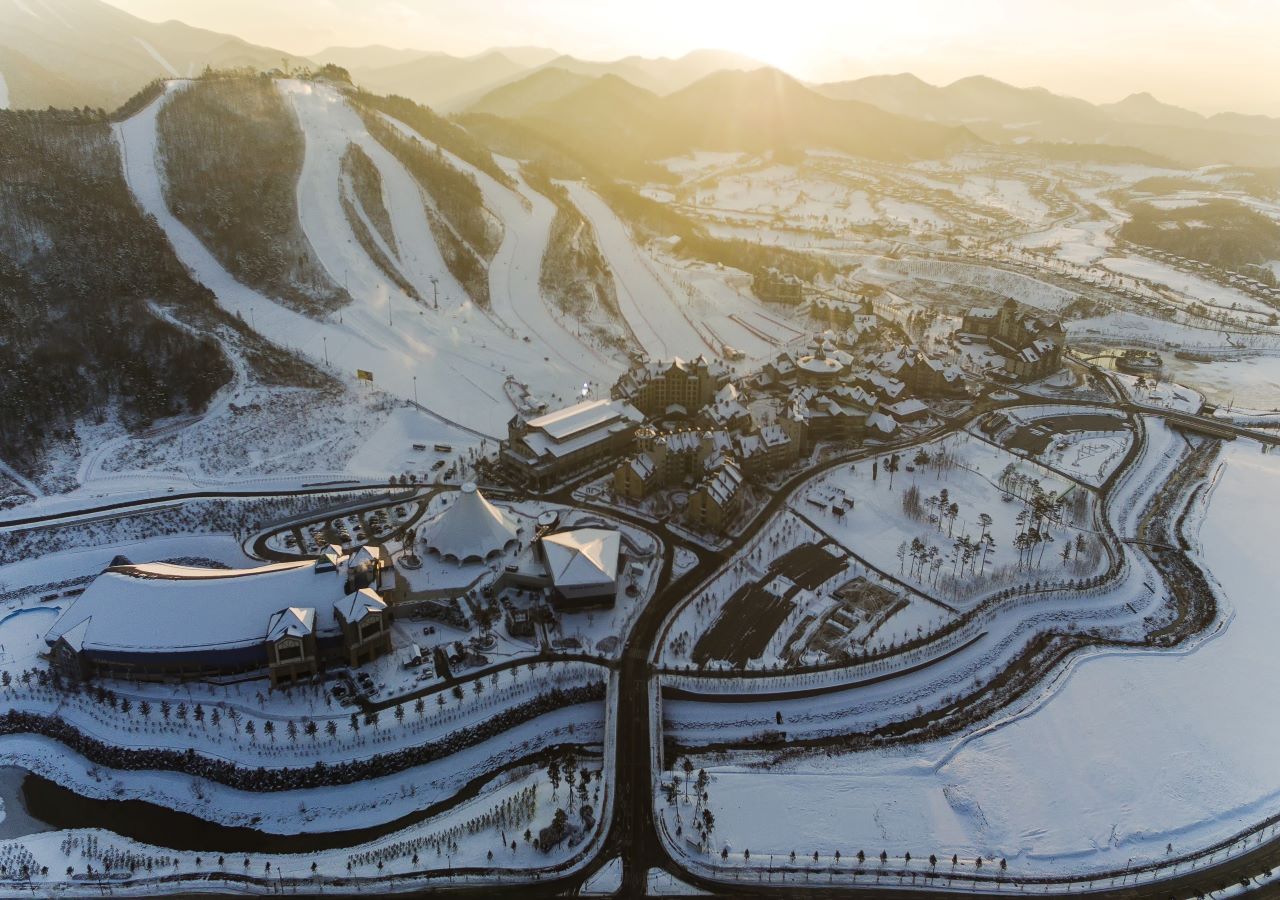
Climate change is increasingly challenging the future of the Winter Olympics, as rising temperatures and declining natural snowfall make it harder for host cities to guarantee suitable conditions for outdoor events. Climate scientists warn that many traditional winter sports venues are experiencing shorter snow seasons and more frequent thaws, forcing organizers to rely heavily on artificial snow production.
Recent studies show that warming winters have reduced reliable snow cover across mountain regions in Europe, North America, and parts of Asia. Several former and potential host cities now face temperatures too mild to maintain consistent snow and ice conditions, raising concerns about athlete safety, competition fairness, and soaring operational costs. Artificial snowmaking, while helpful, requires large amounts of water and energy, adding environmental and financial pressures.
Experts say that by mid-century, only a limited number of current Winter Olympic host locations may remain cold enough to stage events without significant technological support. This narrowing list could restrict bidding opportunities and reshape how and where the Games are held.
Organizers are exploring adaptation measures, including higher-altitude venues, revised schedules, and more sustainable practices. However, scientists emphasize that reducing global greenhouse gas emissions remains critical to preserving winter sports and ensuring the long-term viability of the iconic global event. News as reported
