

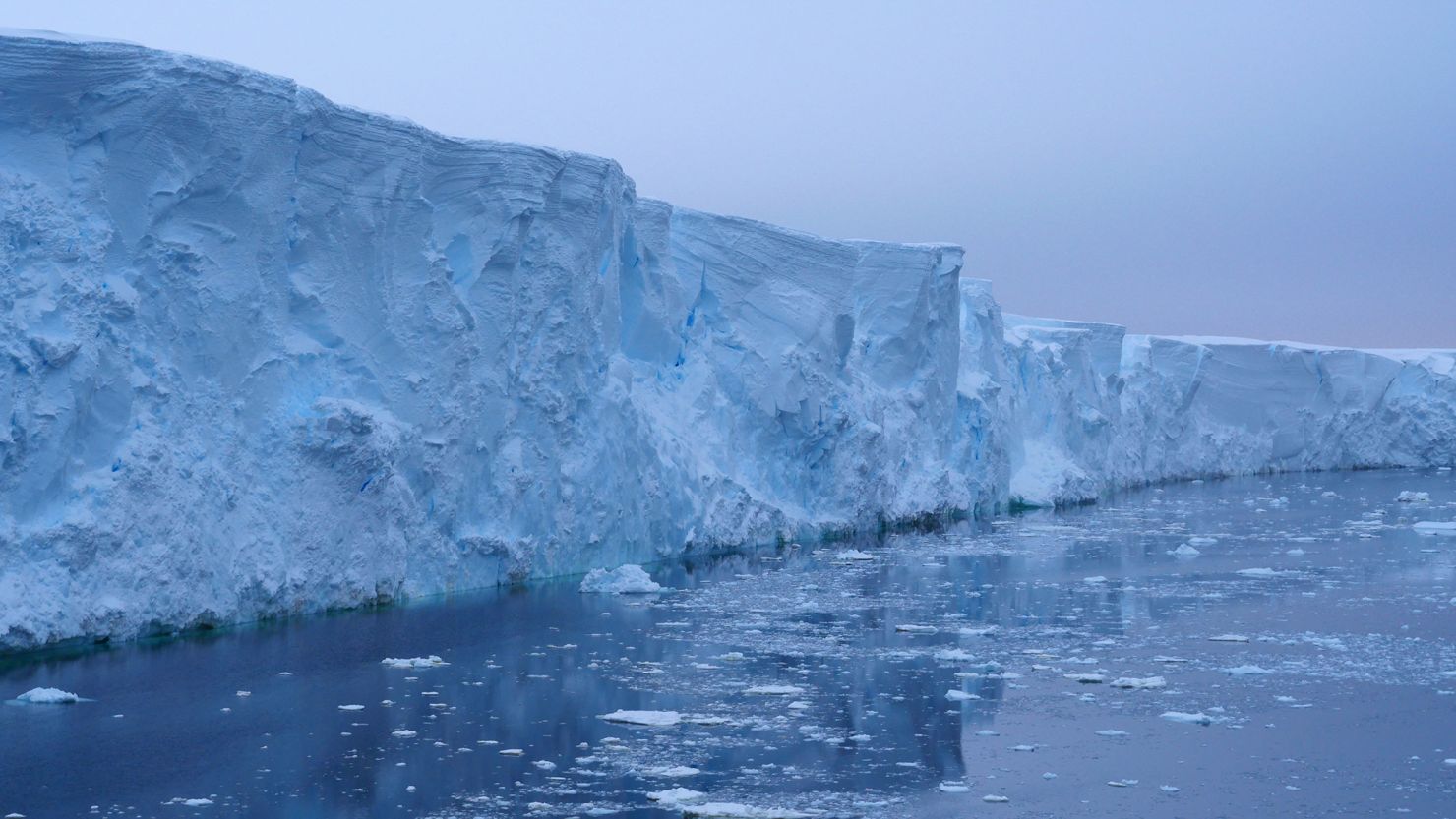
A newly identified climate feedback between Antarctic ice sheet changes and the Southern Ocean’s ability to absorb carbon dioxide is raising fresh concerns among scientists about the stability of the global carbon cycle. Researchers report that accelerating ice melt is altering ocean circulation patterns, reducing the capacity of surrounding waters to capture and store atmospheric carbon.
The Antarctic region plays a critical role in regulating Earth’s climate, with the Southern Ocean responsible for absorbing nearly 40 percent of human-caused carbon emissions taken up by the oceans. However, increased freshwater from melting glaciers and ice shelves is diluting surface waters, disrupting the formation of dense, carbon-rich deep waters that normally sink and lock away carbon for centuries.
This process weakens the ocean’s natural carbon sink, allowing more carbon dioxide to remain in the atmosphere and intensify global warming. Scientists warn that such feedback loops could amplify climate change faster than current models predict, making emissions reduction targets harder to achieve.
Experts say the findings highlight the interconnected nature of ice, ocean, and atmosphere systems. They stress the urgency of limiting greenhouse gas emissions while improving monitoring of polar regions. Without action, the diminished carbon uptake could accelerate warming, further destabilizing Antarctica and reinforcing a dangerous cycle of climate change.

- upgraderz.aws@gmail.com
- upgraderz.aws@gmail.com
- upgraderz.aws@gmail.com
- upgraderz.aws@gmail.com