

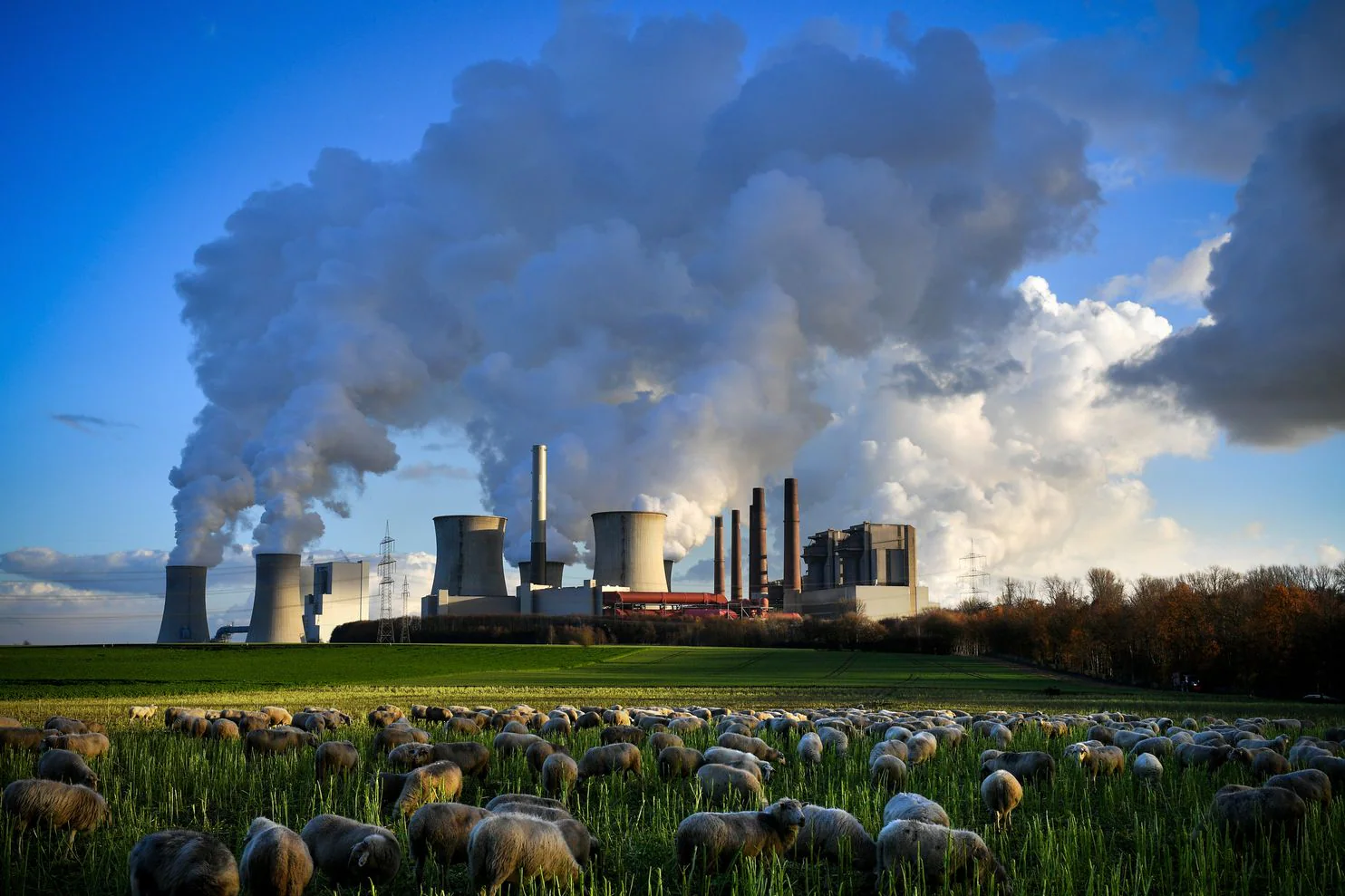
Fossil fuel companies could soon be required to contribute financially for the climate damage their products have caused under a proposed global tax framework being negotiated at the United Nations. The initiative, part of the UN Framework Convention on International Tax Cooperation, aims to establish a global tax treaty that would compel major oil, gas and coal firms to pay levies tied to the environmental costs of their emissions. Proponents argue that making polluters pay is essential to fund climate adaptation and loss-and-damage efforts, especially in vulnerable developing countries disproportionately hit by storms, floods and droughts linked to rising temperatures.
The talks, which resumed this week in New York with support from dozens of nations, also consider imposing a global wealth tax on the ultra-rich to help cover climate impacts. Civil society groups highlight that a 20 % surtax on the top 100 fossil fuel firms could have generated more than $1 trillion for climate action since 2015, while global wealth taxes might raise even larger sums. Critics warn the draft treaty is still weak and lacks clear mechanisms to enforce taxes on polluters, and key countries like the United States have withdrawn from the negotiations – News as reported
