

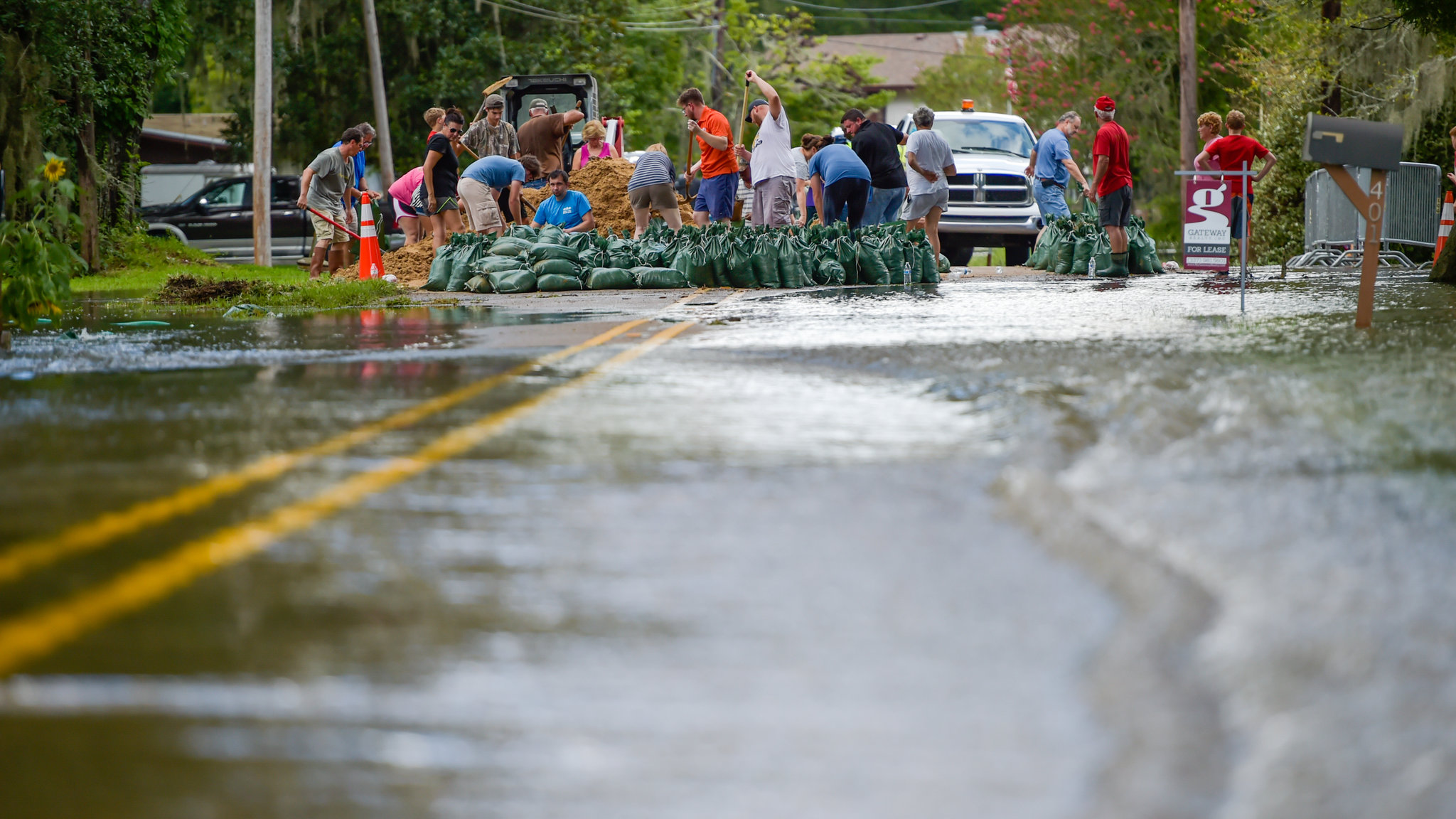
Communities across the country are rethinking where and how they build homes as climate change drives more frequent and severe flooding, threatening lives, property, and local economies. Rising sea levels, heavier rainfall, and stronger storms have combined to increase the risk of inundation in both coastal and inland areas, exposing weaknesses in traditional housing and infrastructure systems.
Recent extreme weather events have submerged neighborhoods, damaged roads, and displaced thousands of residents, with recovery costs running into billions of dollars. Experts say these disasters, once considered rare, are becoming more common as warmer air holds more moisture and intensifies rainfall, while rising seas push storm surges farther inland.
Urban planners and local governments are now exploring new strategies, including relocating homes away from high-risk zones, elevating buildings, improving drainage systems, and restoring natural flood barriers such as wetlands and mangroves. Some regions have introduced stricter building codes and limits on development in floodplains to reduce future losses.
Insurance premiums are also rising in vulnerable areas, prompting many homeowners to reconsider where they live. Climate specialists warn that without proactive adaptation measures, flooding could worsen social inequalities, disproportionately affecting low-income communities.
Officials emphasize that combining resilient design with emissions reductions is critical to safeguarding housing and ensuring communities can withstand a changing climate in the decades ahead – News as reported
