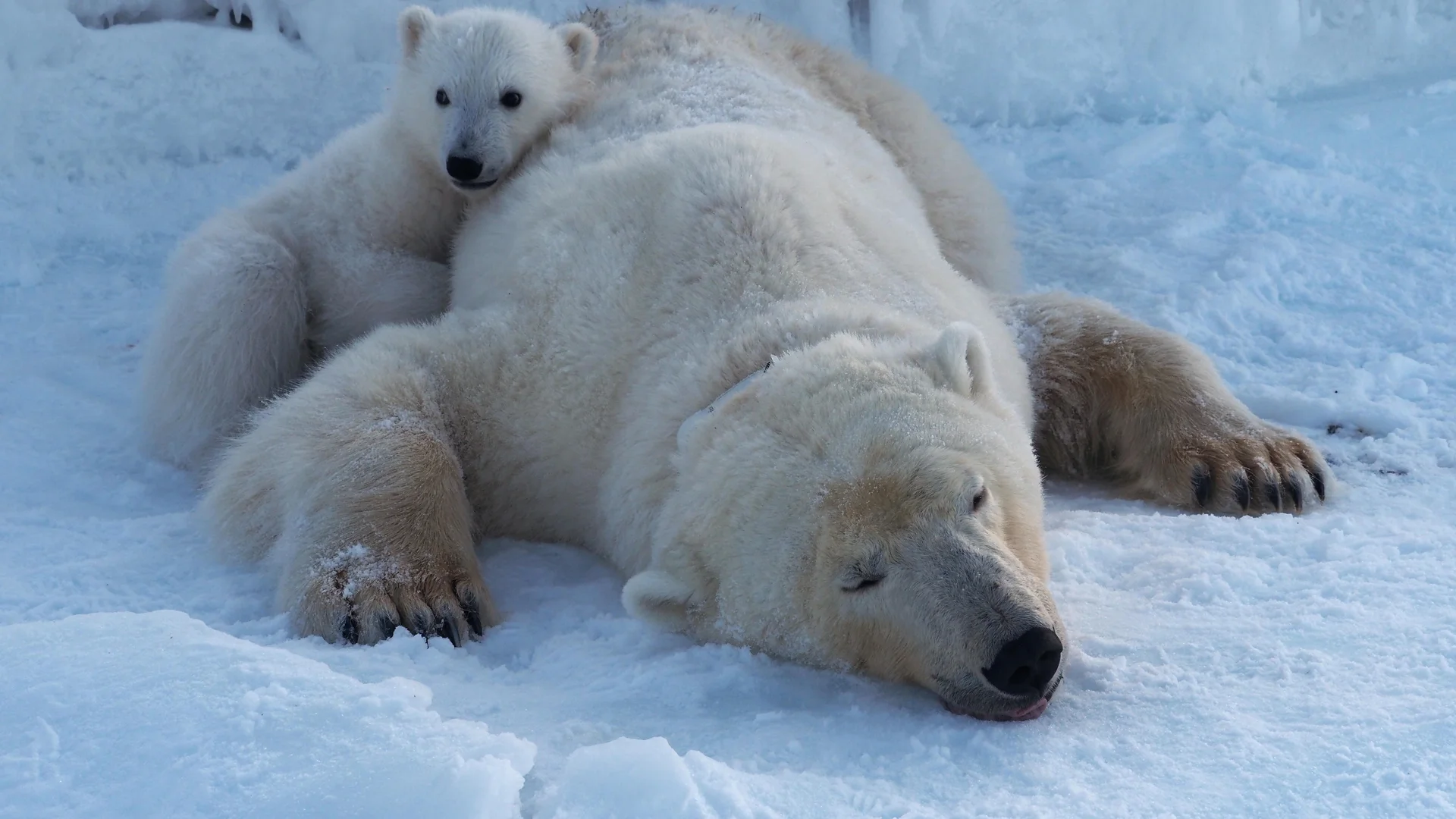
Scientists studying polar bears in the Svalbard archipelago of the Norwegian Arctic have reported unexpectedly positive findings about one of the region’s key bear populations. According to a long-term study published in Scientific Reports, adult polar bears in the Barents Sea area have largely maintained — and in some measures improved — their body condition over the past two decades despite significant losses in sea ice due to climate change.
Researchers from the Norwegian Polar Institute, along with international collaborators, analysed more than 25 years of data from almost 800 adult bears, tracking body fat and health indicators from 1992 to 2019. They found that while body condition initially declined in the late 1990s, it increased after 2000, even as the number of ice-free days in the region rose sharply. Scientists suggest that changing prey dynamics, including increased availability of land-based food sources like reindeer and walrus, and concentrated seal populations may be helping bears maintain weight.
Although this does not mean all polar bear populations are thriving, these findings offer a rare piece of good news about how some bears are coping with environmental pressures — while also cautioning that continued sea ice loss will likely pose challenges in the long term.
News as reported