

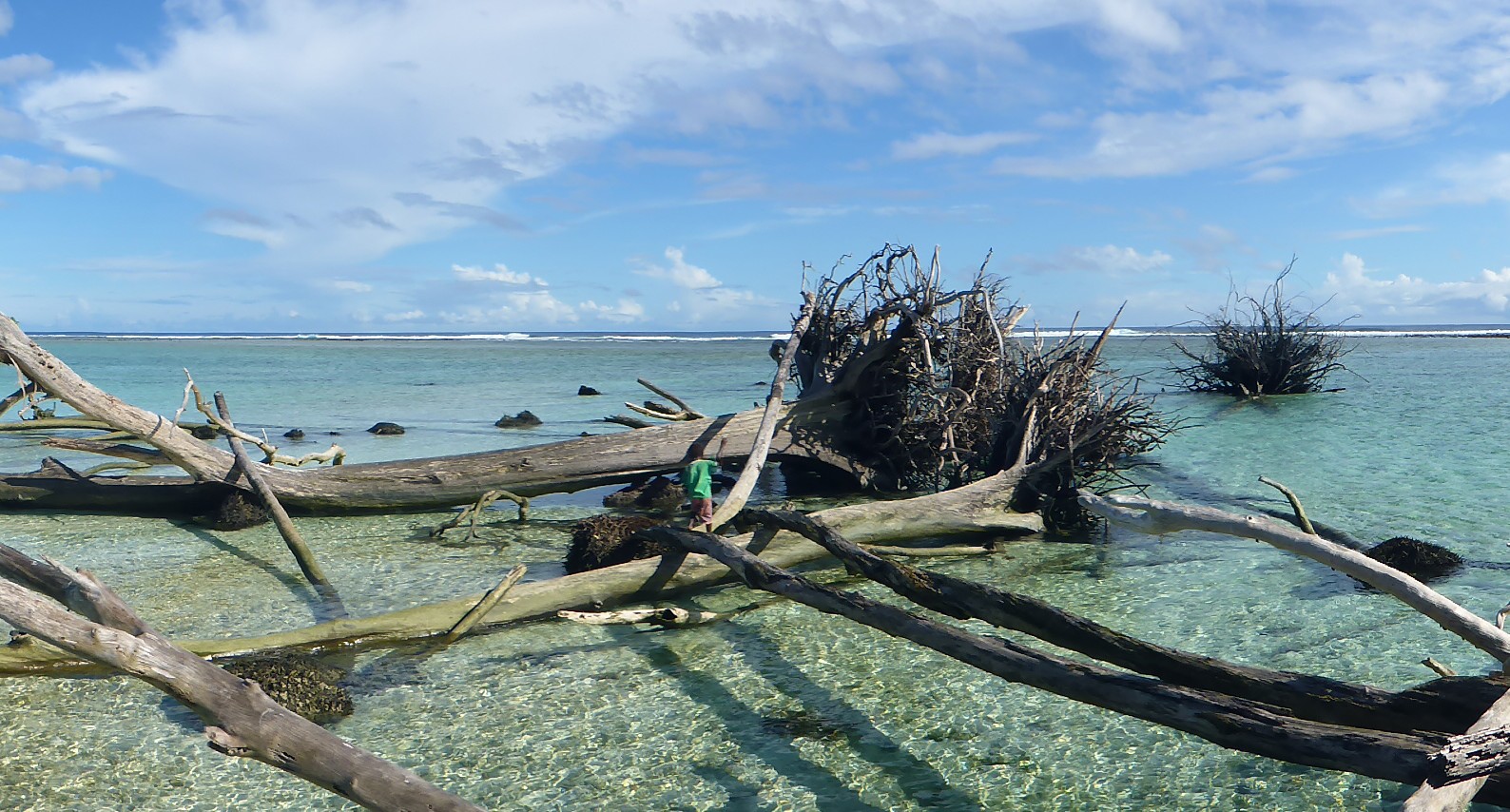
Rising ocean temperatures combined with the growing burden of plastic pollution are posing a serious threat to marine life worldwide, scientists and conservation groups warn. Oceans absorb more than 90 percent of excess heat generated by global warming, leading to widespread marine heatwaves that disrupt delicate underwater ecosystems. Warmer waters are stressing coral reefs, triggering mass bleaching events that reduce biodiversity and weaken natural coastal defenses.
Fish and other marine species are being forced to migrate toward cooler waters, altering food webs and affecting fishing communities that depend on stable stocks. In some regions, warmer temperatures are also reducing oxygen levels in the ocean, creating “dead zones” where many organisms struggle to survive. These changes are undermining the resilience of marine ecosystems that support global food security and livelihoods.
At the same time, plastic waste has become a persistent and deadly presence in the oceans. Millions of tonnes of plastic enter marine environments each year, breaking down into microplastics that are ingested by fish, seabirds, and even plankton. These particles can carry toxic chemicals, accumulating up the food chain and posing risks to both wildlife and human health.
Experts stress that tackling these twin threats requires urgent action, including cutting greenhouse gas emissions, reducing plastic production, improving waste management, and expanding marine protected areas. Without coordinated global efforts, the health of the world’s oceans—and the life they sustain—faces increasing and potentially irreversible damage – News as reported