

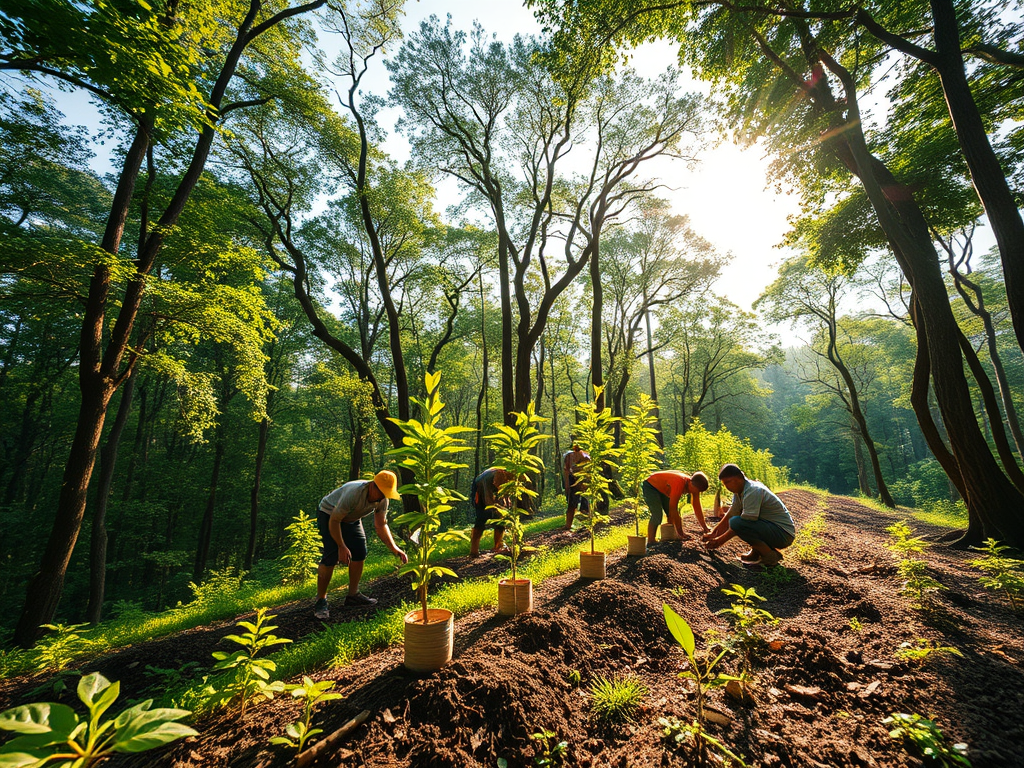
Governments across the world are scaling up funding to restore degraded forests and strengthen biodiversity protection, responding to growing concerns over climate change, ecosystem loss, and environmental security. New public investments are being directed toward large-scale reforestation, habitat restoration, and conservation programs aimed at reversing decades of deforestation and species decline.
Restored forests play a critical role in absorbing carbon dioxide, regulating water cycles, and stabilizing soils, making them a key tool in climate mitigation and adaptation strategies. Many countries are prioritizing native tree species and ecosystem-based restoration rather than monoculture plantations, recognizing the importance of biodiversity for long-term resilience. Funding is also being allocated to reconnect fragmented habitats, allowing wildlife to migrate and adapt to changing climate conditions.
Biodiversity protection initiatives are receiving parallel support, including the expansion of protected areas, improved monitoring of endangered species, and stronger enforcement against illegal logging and wildlife trafficking. Indigenous and local communities are increasingly being included in restoration efforts, with governments acknowledging their traditional knowledge and role as long-term stewards of forest landscapes.
Experts note that while increased funding is a positive step, success will depend on transparent governance, scientific planning, and sustained political commitment. If effectively implemented, these investments could deliver long-term benefits for climate stability, food and water security, and the preservation of the planet’s rapidly disappearing natural heritage – News as reported
