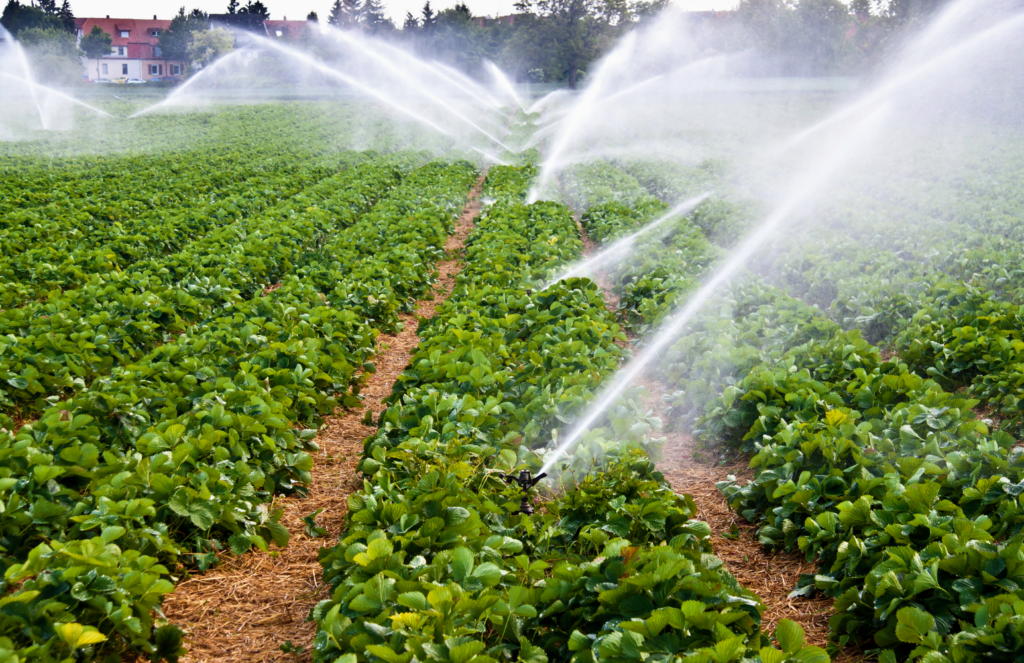
Freshwater scarcity is emerging as one of the most pressing global challenges, placing increasing strain on both agricultural systems and rapidly expanding urban populations. As climate change intensifies droughts, alters rainfall patterns, and accelerates glacier melt, reliable freshwater supplies are becoming harder to secure across many regions.
Agriculture, which accounts for nearly 70 percent of global freshwater use, is particularly vulnerable. Farmers are facing declining groundwater levels and reduced river flows, forcing difficult choices about crop selection, irrigation practices, and land use. Water-intensive crops are becoming less viable in arid and semi-arid regions, threatening food production and rural livelihoods. In some areas, over-extraction of groundwater has led to land subsidence and long-term damage to aquifers, further limiting future water availability.
Urban centers are also under growing pressure. Rapid population growth, aging infrastructure, and pollution are straining municipal water systems. Cities are increasingly competing with agriculture for limited water resources, heightening the risk of conflict and social inequality. Informal settlements and low-income communities often bear the brunt of shortages, facing irregular supply and poor water quality.
Experts warn that without urgent action, freshwater stress could undermine food security, public health, and economic stability. Improved water governance, efficient irrigation technologies, wastewater reuse, and ecosystem restoration are seen as essential strategies to safeguard freshwater resources and ensure equitable access in a warming, water-stressed world – News as reported