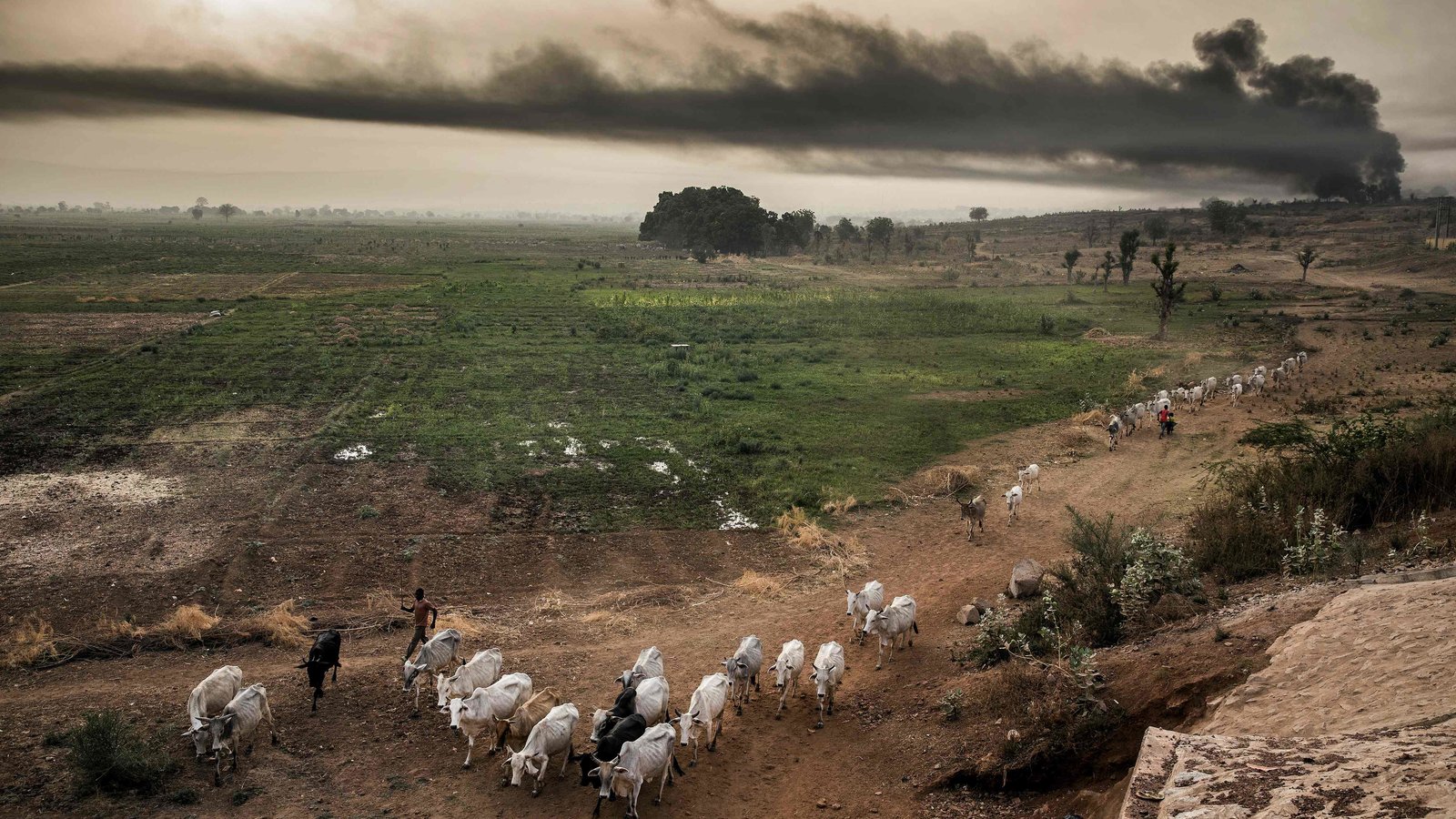
Governments around the world are intensifying calls for stronger climate action as mounting environmental risks increasingly threaten global food and water security. Rising temperatures, shifting rainfall patterns, and more frequent extreme weather events are disrupting agricultural production and straining already limited freshwater resources, particularly in vulnerable regions.
Prolonged droughts have reduced crop yields in major food-producing areas, while floods and storms have damaged farmland, infrastructure, and supply chains. At the same time, groundwater depletion and declining river flows are limiting access to safe water for drinking and irrigation, affecting both rural communities and rapidly growing cities. These pressures are contributing to higher food prices, increased malnutrition, and heightened risks of social instability.
At international forums, nations are emphasizing the need for coordinated climate policies that link emissions reductions with adaptation strategies. Investments in climate-resilient agriculture, water-efficient technologies, and early warning systems are being highlighted as critical measures to safeguard food and water systems. Many countries are also urging wealthier nations to scale up climate finance to support adaptation efforts in developing regions most exposed to climate impacts.
Experts warn that without accelerated action, climate-related disruptions could reverse decades of progress in food security and development. Strengthening global cooperation, reducing greenhouse gas emissions, and building resilient resource systems are increasingly seen as essential to ensuring long-term stability and human well-being – News as reported