

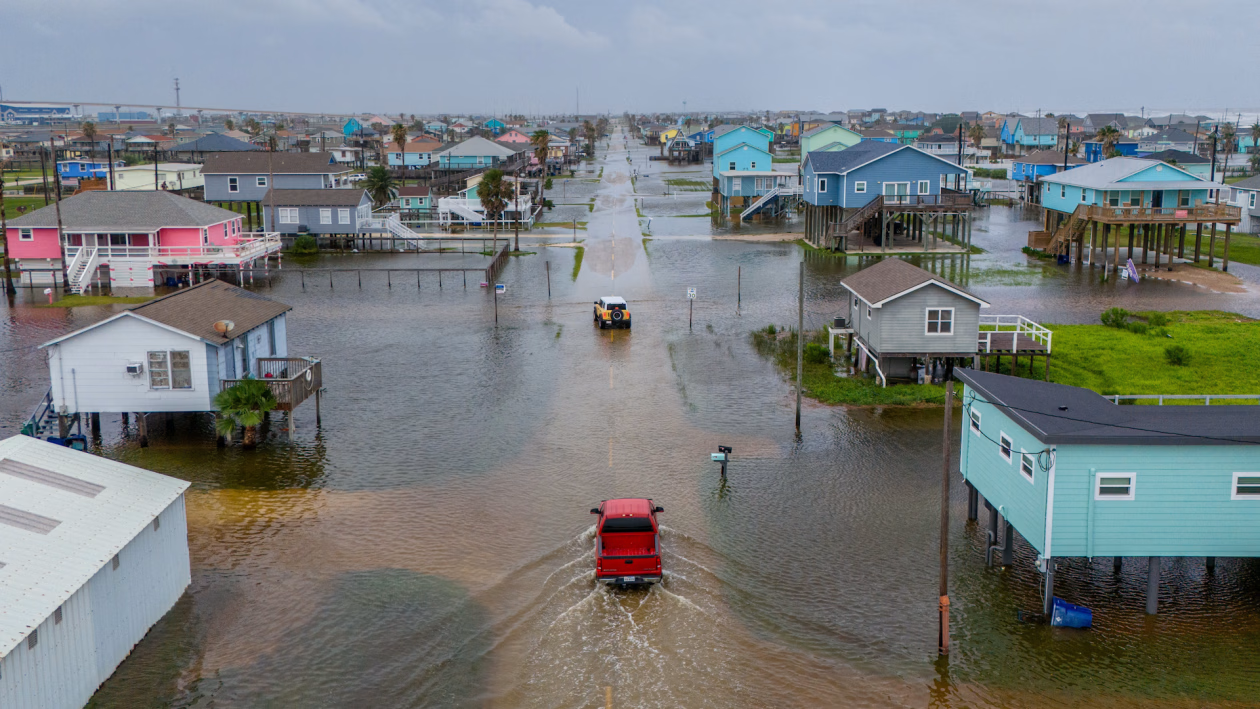
Extreme weather events are becoming more frequent and severe as changes in polar atmospheric systems increasingly disrupt the Earth’s traditional seasonal balance. Scientists point to growing instability in polar regions—particularly shifts in the polar jet stream and weakening temperature contrasts between the Arctic and lower latitudes—as key drivers behind unusual weather patterns worldwide.
As polar areas warm at a faster rate than the rest of the planet, the jet stream is becoming more erratic, allowing cold Arctic air to plunge southward while warmer air pushes farther north. This destabilization has been linked to prolonged heatwaves, intense cold snaps, unseasonal storms, and persistent rainfall or drought conditions across large regions. Communities are experiencing winters that swing between extremes and summers marked by record-breaking heat and flooding.
The impacts extend beyond weather discomfort. Agriculture faces disrupted growing seasons, infrastructure is strained by sudden temperature shifts, and disaster risks increase as storms become more destructive. Economies and public health systems are also under pressure, particularly in regions unprepared for rapid climatic swings.
Climate researchers warn that unless global warming is curbed, polar system disruptions will intensify, making extreme weather a regular feature rather than an exception. Strengthening climate monitoring, improving early-warning systems, and accelerating emissions reductions are seen as critical steps to restoring stability and reducing future risks – News as reported

- upgraderz.aws@gmail.com
- upgraderz.aws@gmail.com
- upgraderz.aws@gmail.com